
“In Mayo, this morning’s queue is no exception”
A queue of mothers and fathers, some holding children in their arms, others by the hand. They are exhausted, many having faced hunger, malaria, deadly infections.
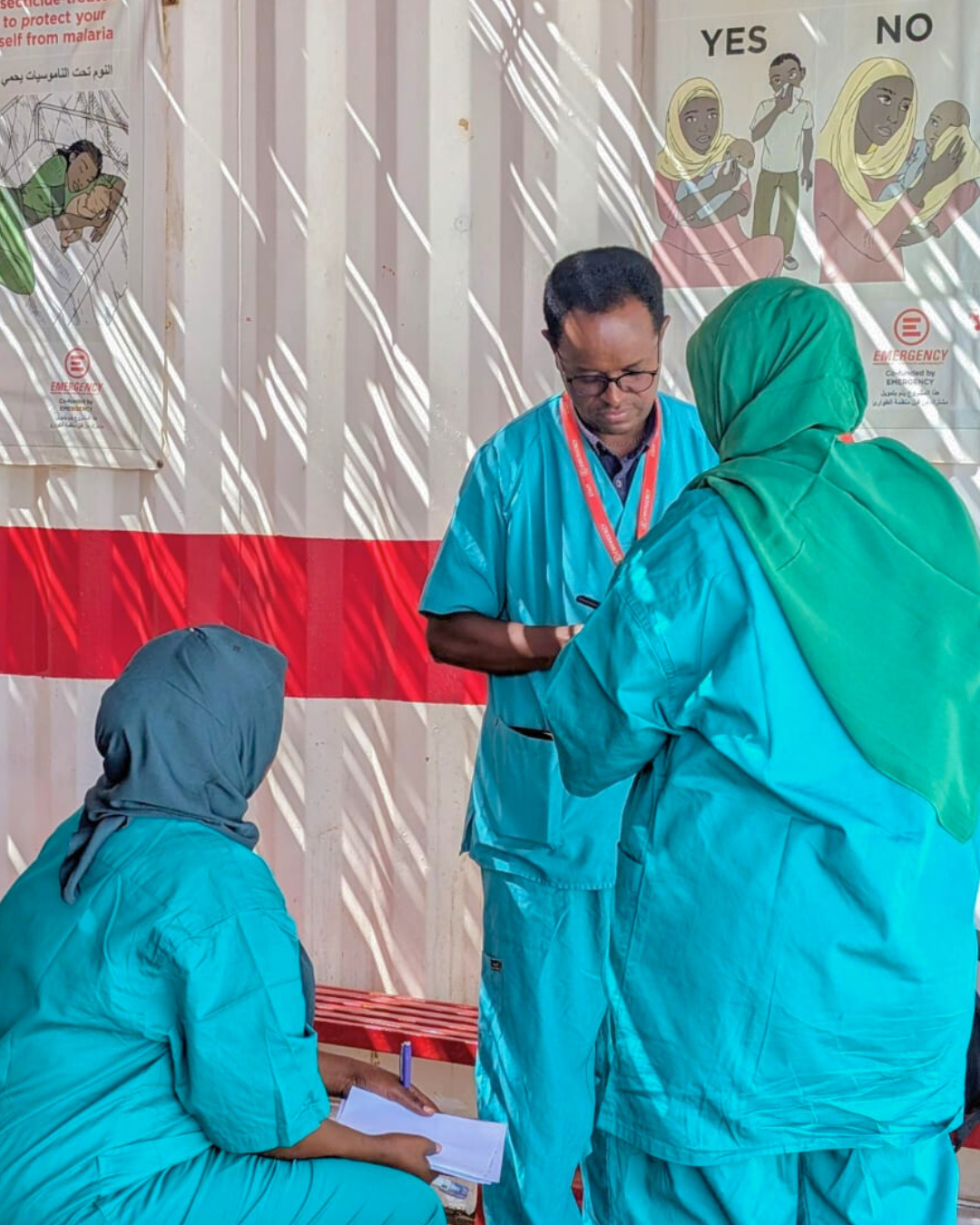
In front of our Paediatric Centre in Mayo, on the outskirts of Khartoum, this morning’s queue is no exception. Although fighting has subsided here, the consequences of years of war continue to affect children in particular.
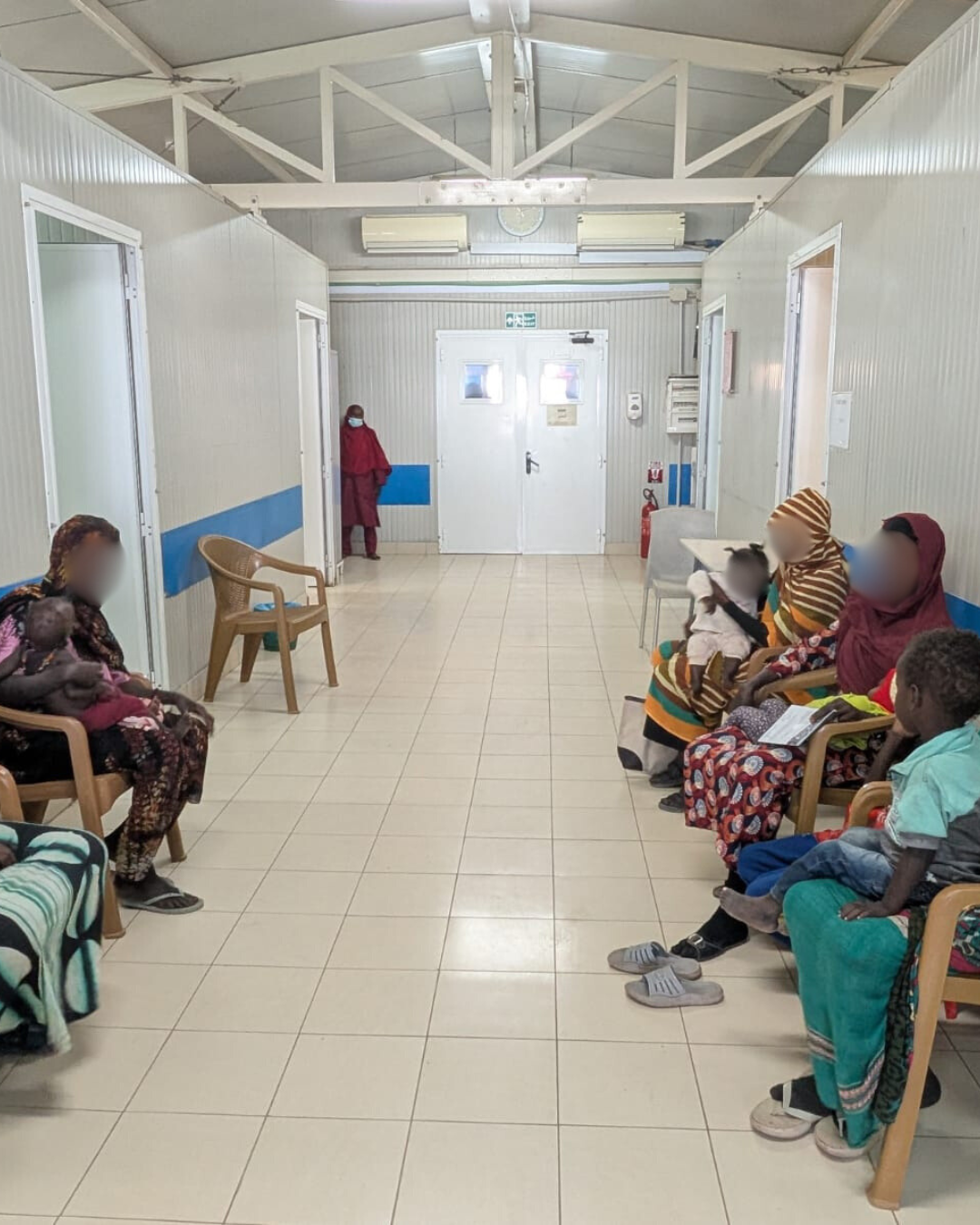
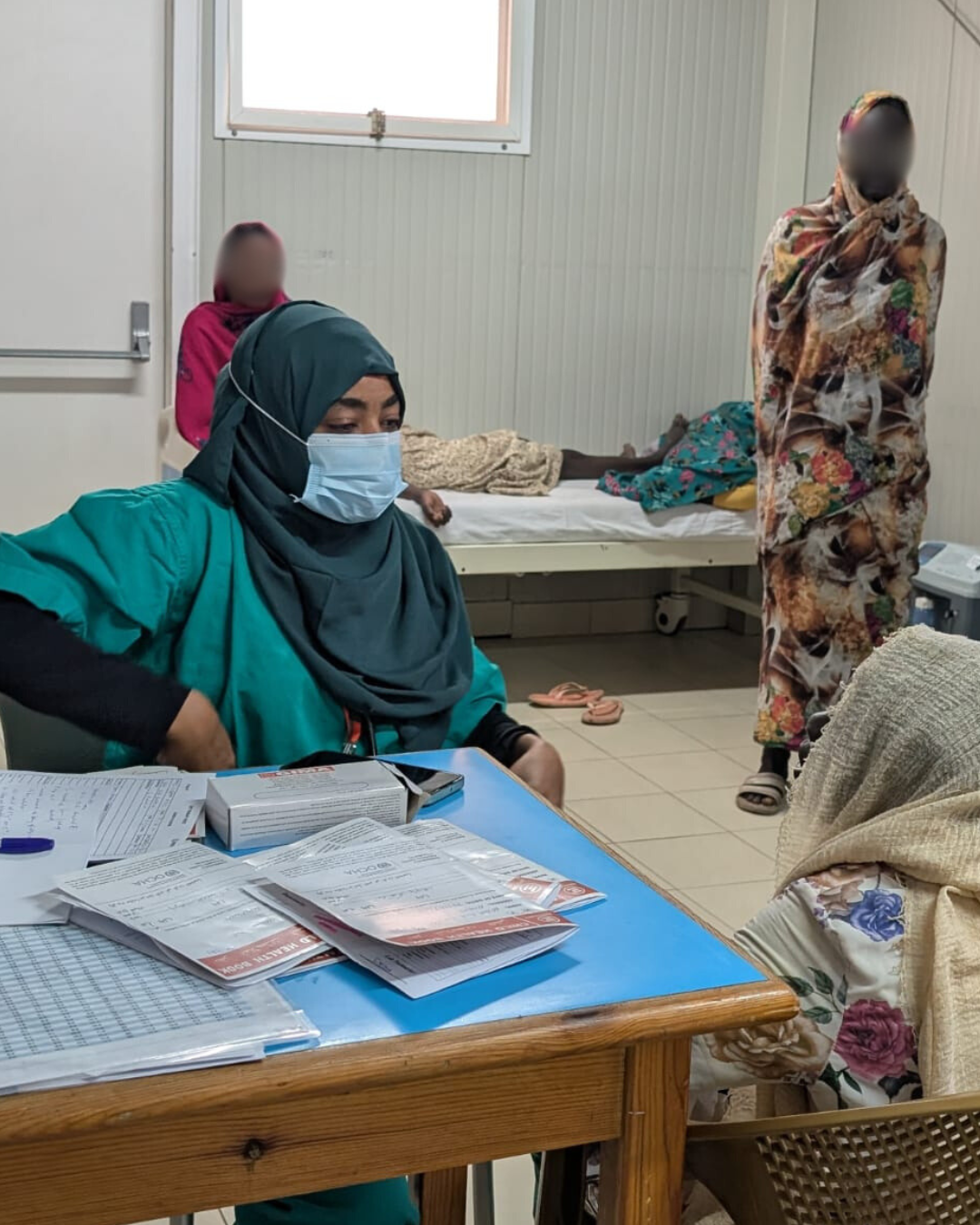
“Some are waiting for their first visit, others for treatment, essential medicines or a vaccine. We provide paediatric consultations and follow-ups for around 55 children every day. We are also launching a service to assist pregnant women and provide family planning advice,” says Laura Ena, our Paediatric Coordinator.
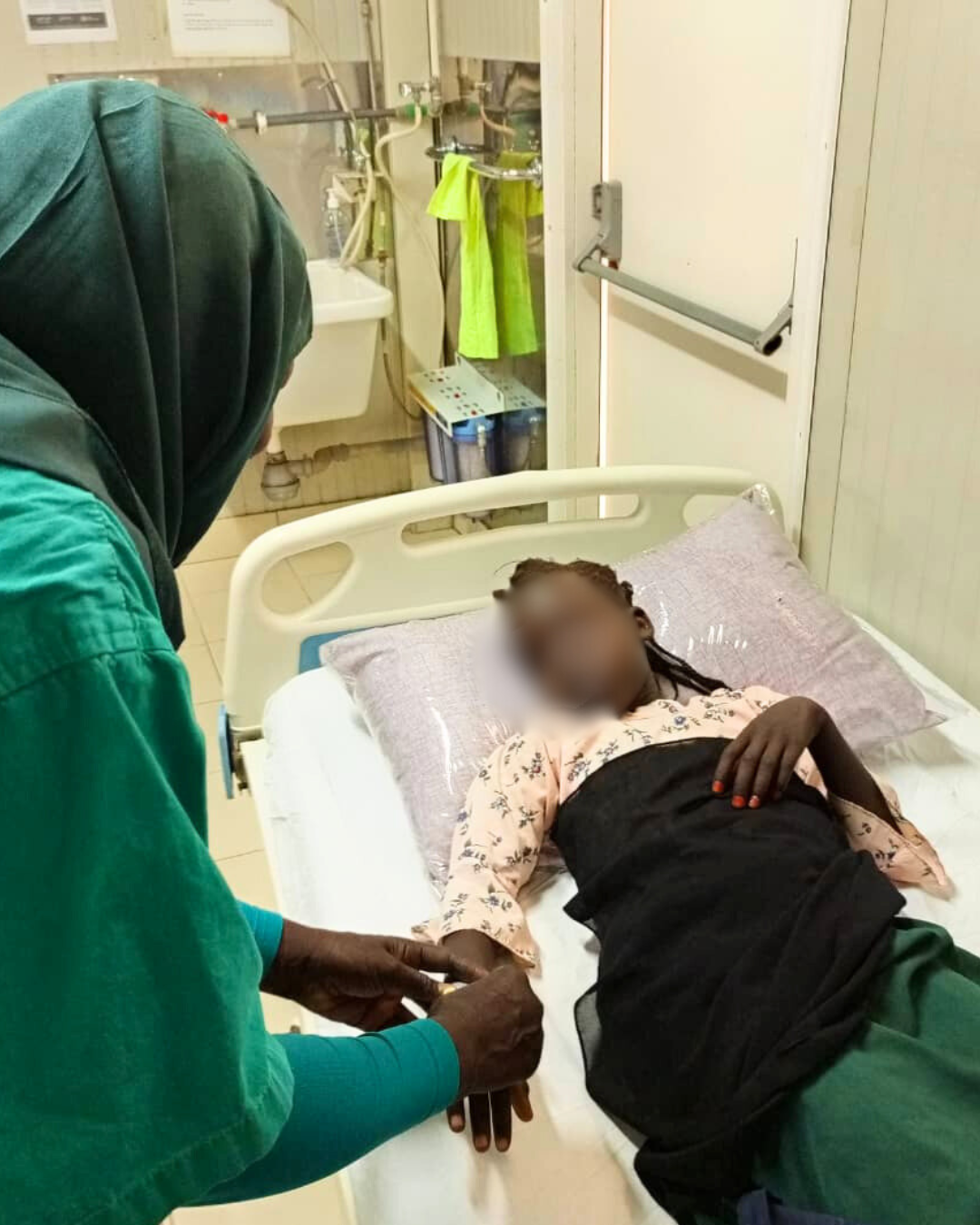
“Many of the children we see are severely malnourished, or suffer from malaria or anaemia, all conditions that require prompt intervention and ongoing care. Every day, we transfer about five new serious cases to the Paediatric Clinic we run at the Salam Centre in Khartoum, about 20 kilometres from here.”
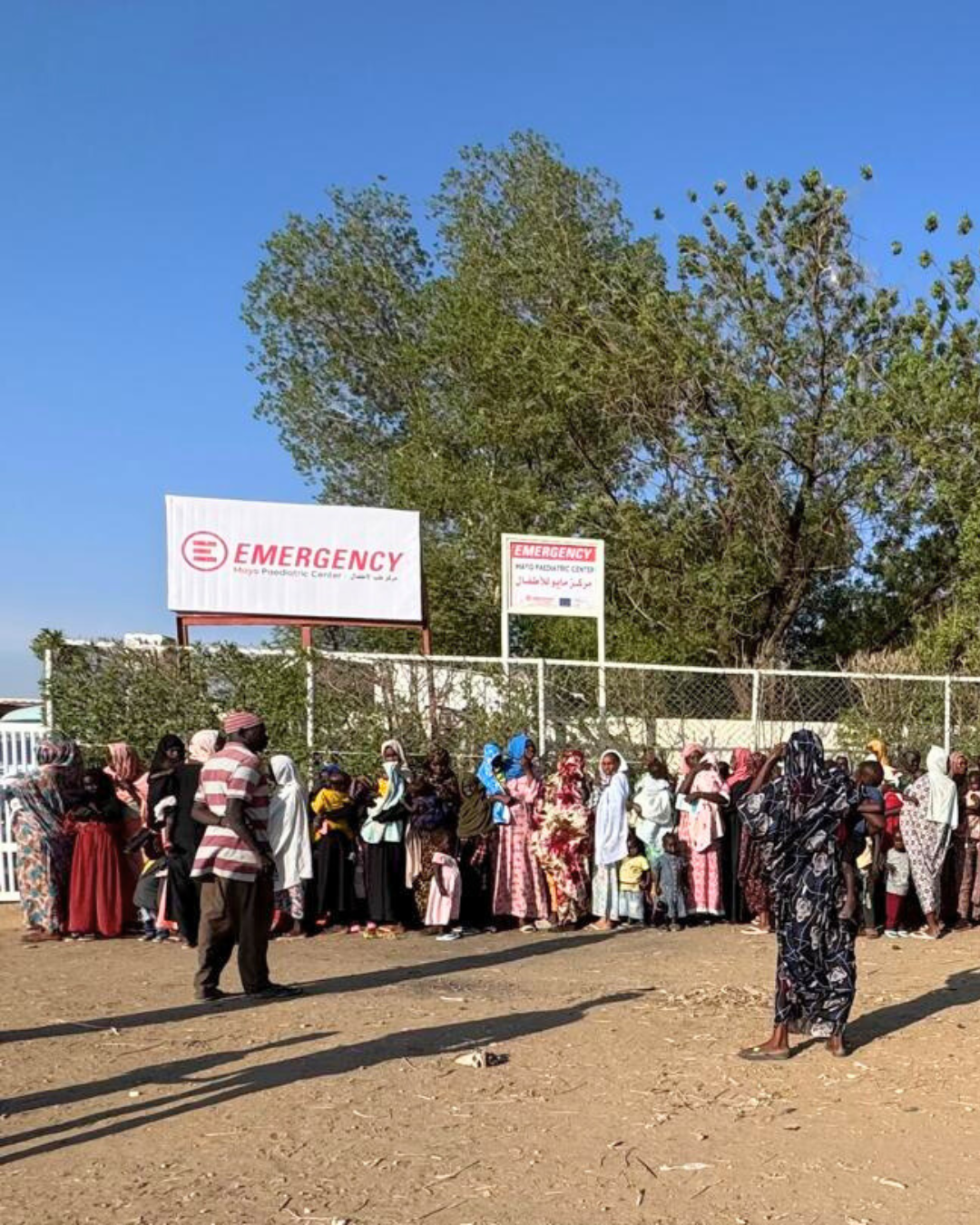
Since April 2023, around 12 million people in Sudan have been forced to flee their homes. After almost three years of war, access to healthcare is extremely limited and many health facilities have been destroyed.
By September 2025, an estimated 2.1 million people were attempting to return to Khartoum, after almost 5 million had fled at the height of the fighting (data: IOM).
“Every day I meet parents who hope to find some security with their children, but the reality that awaits them is often very harsh. The displacement camp where our Paediatric Centre is located has become a city within a city: a sea of tents and makeshift shelters stretching as far as the eye can see, making it impossible to conduct a census.”
The return to Khartoum is a sign of hope, but one that remains fragile without essential services such as water and electricity.
We cannot forget Sudan.
Latest updates
Ukraine | Our refurbishment of the Husarivka Clinic in Kharkiv, through the eyes of Liudmyla and Dmytro
Thursday, September 17, 2026