
A 17-Day Journey to Reach Care
When Saifaldeen arrived at our Salam Centre for Cardiac Surgery in Khartoum, his health condition was life-threatening.
After losing almost 20 kilos, he had no strength left – suffering the consequences of more than three years of war in Sudan. His father remained by his side, having travelled together from their home in Darfur.
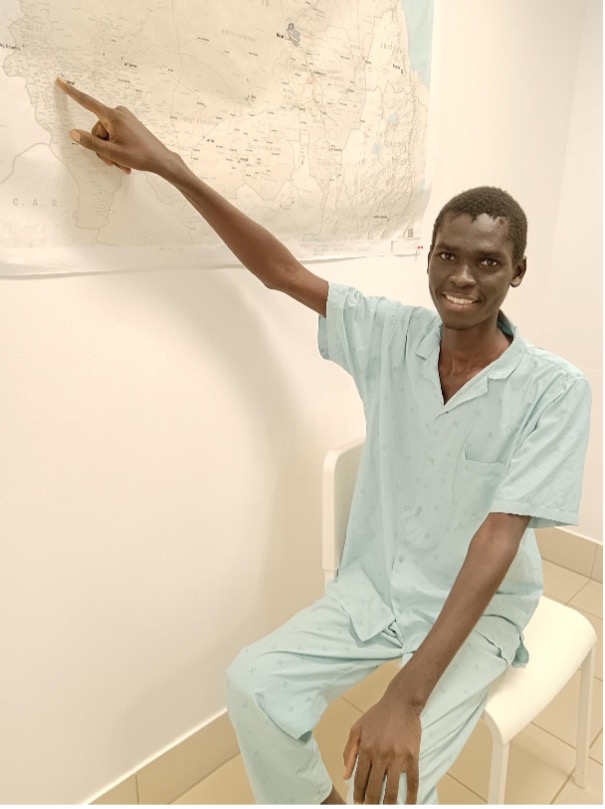
Saif, as everyone in our hospital knows him, received double heart valve replacement surgery here in 2024. He then returned to his village near Zalingei, the capital of Central Darfur.
In the meantime, however, everything had changed: the war has wrought widespread destruction. Living had become almost impossible, let alone accessing high-quality care.
At home, Saif stopped his studies and began working as a tailor. The family – including his mother, father and eight siblings – were trying to survive, but food was becoming increasingly scarce. His body began to slowly deteriorate, until the most serious symptoms appeared: severe headaches, vomiting and an ever-increasing weakness.
His father decided to embark on the long journey to reach our Salam Centre: village after village, seeking lifts wherever possible. They travelled for 17 days. With the help of their community, they managed to collect enough money to set off, but eventually they were forced to go without food to continue travelling.
They arrived at the Salam Centre late one afternoon. Saif was lying in a wheelchair, and his father struggled to stay upright.
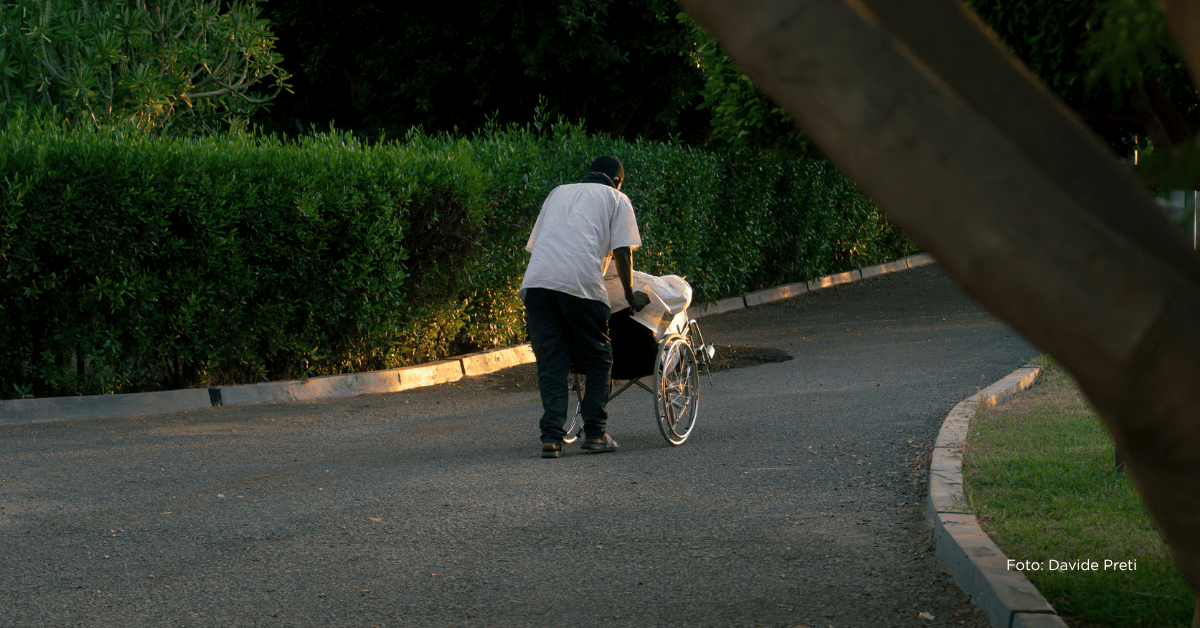
The tests were clear: a large cerebral haematoma. Despite everything, Saif held on. Day after day, supported by EMERGENCY’s nursing team and physiotherapists, he started to eat. Slowly, he got back on his feet.
Suddenly, he began to deteriorate again. Another haematoma was discovered, requiring urgent kidney surgery.
The Salam Centre – the only cardiac surgery hospital still operating in Khartoum after more than three years of war – is unable to perform that operation. But over the years we have strengthened a network of collaboration, which proves vital at the most critical moments.
Saif was transferred to another hospital to undergo surgery. Now, he is back at the Salam Centre while he recovers.
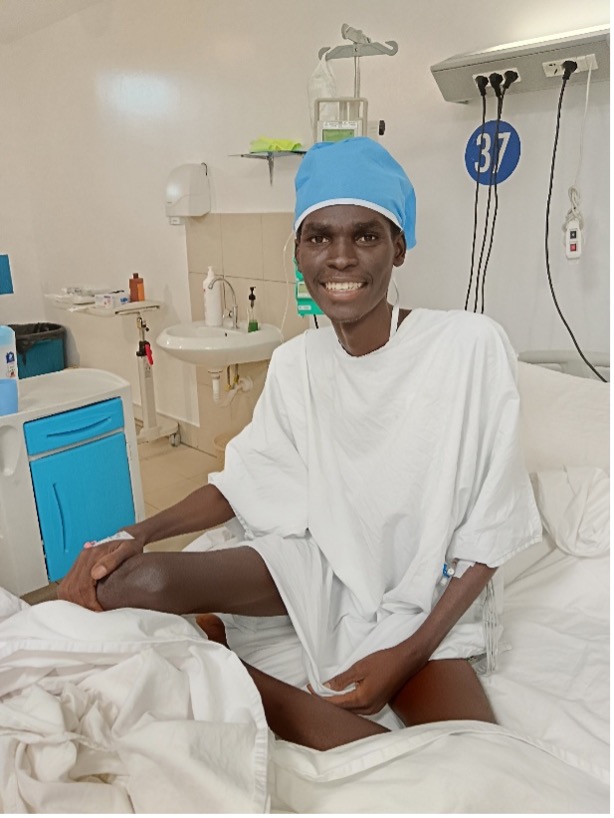
His father is still by his side. Whilst waiting for his son to be discharged, he has made a decision: they will not return to Darfur. It is too risky, especially for Saif’s health.
Instead, he intends to look for work in a safer city, where his elderly mother still lives. From there, perhaps, he will be able to support his whole family.
Saif’s story is unique, but it is not an isolated case.
Like many other patients from Darfur, he has faced an odyssey to reach a place he could receive the treatment he needs. In a context where almost 80% of healthcare facilities have been destroyed, the Salam Centre remains the last hope for many.
A last refuge of peace, where high-quality treatment is available free of charge.
Story recounted by Elena Giovanella, EMERGENCY Anaesthetist at the Salam Centre for Cardiac Surgery
Latest updates
“It is right to be here”: Medical Coordinator Giorgio Monti on providing care in Gaza
Thursday, October 1, 2026
Ukraine | Our refurbishment of the Husarivka Clinic in Kharkiv, through the eyes of Liudmyla and Dmytro
Thursday, September 17, 2026