
EMERGENCY’s Screening Mission in Burundi to Expand Access to Specialised Paediatric Care
When a child in Burundi needs highly specialised surgery, many families have few options. Specialist paediatric surgical services remain limited, leaving some children unable to access the care they need.
Through its Regional Programme, EMERGENCY is helping bridge that gap. The Programme enables children requiring complex surgery to receive specialist care completely free of charge at EMERGENCY’s Children’s Surgical Hospital in Entebbe, Uganda, while working with local partners to strengthen healthcare systems and expand access to care closer to home.
In July, EMERGENCY carried out its seventh paediatric medical mission to Burundi in collaboration with the Ministry of Public Health, local health organisation Maison du Bon Samaritain and local health institutions. Across clinics in Gitega and Bujumbura, almost 150 children were assessed. 60 children were referred to the Children’s Surgical Hospital in Entebbe, where they will receive further evaluation and, where needed, specialist surgery.
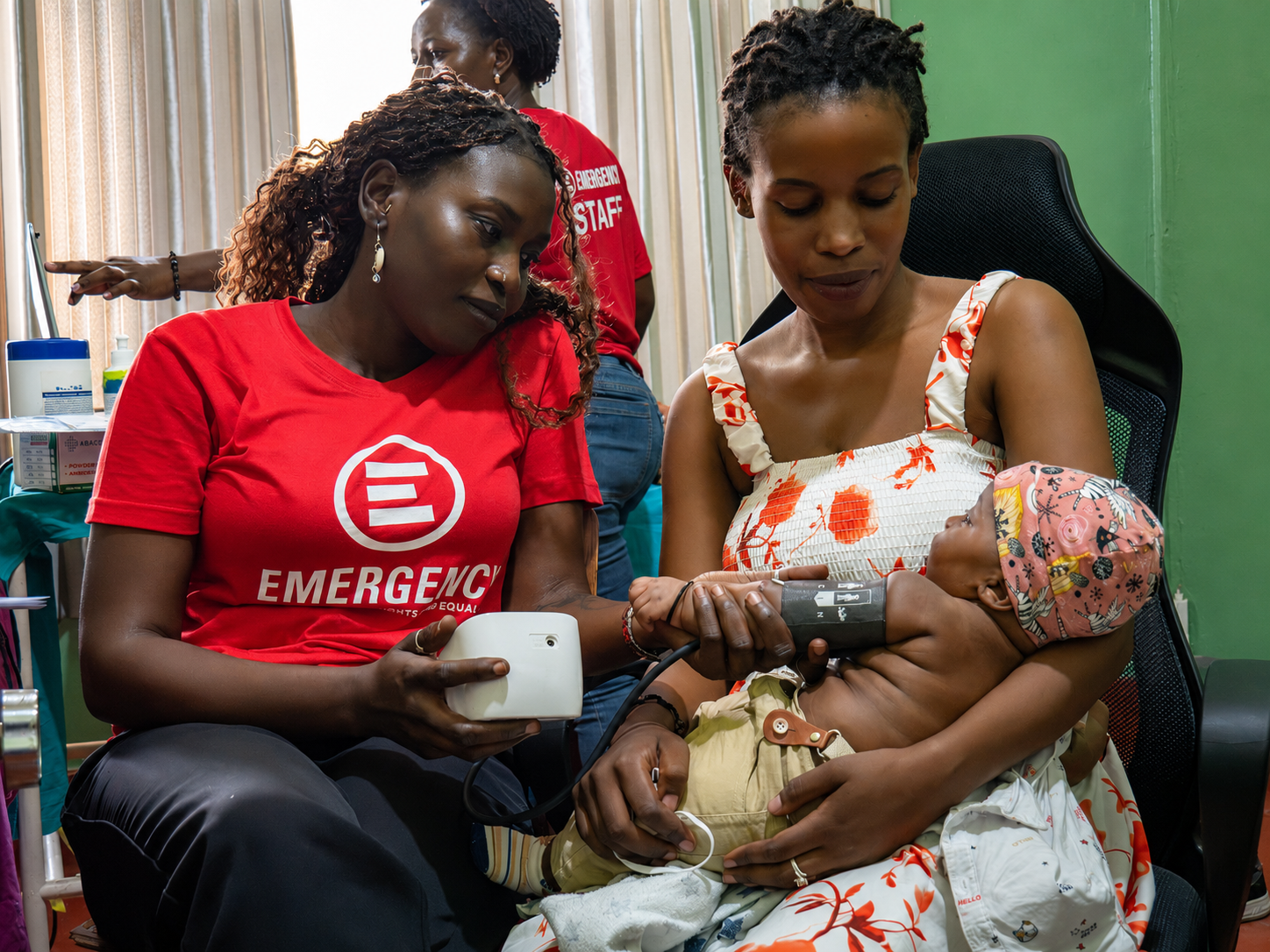
“In Burundi, we have fewer than four paediatric surgeons, and accessing them is an immense challenge,” explained Dr Niyokwizigirwa Bridget, Deputy Hospital Director at the Umugiraneza Polyclinic, Kirundi translator, and EMERGENCY’s medical focal person in Gitega. “Even the initial consultation fee is unaffordable, let alone the surgery itself. Those who manage to raise money for a consultation must travel all the way to the capital city of Bujumbura. A private hospital here does offer paediatric surgery, but the cost exceeds 10,000,000 Burundian francs – a sum completely out of reach for many.”
Together with local partners, EMERGENCY’s multidisciplinary team conducted follow-up appointments for children who had previously undergone surgery in Entebbe while also screening new patients requiring specialist care.
“It has been profoundly rewarding to witness the remarkable recovery of our post-operative patients, many of whom are now thriving,” said Dr John Yiga, lead paediatric surgeon in the EMERGENCY team.
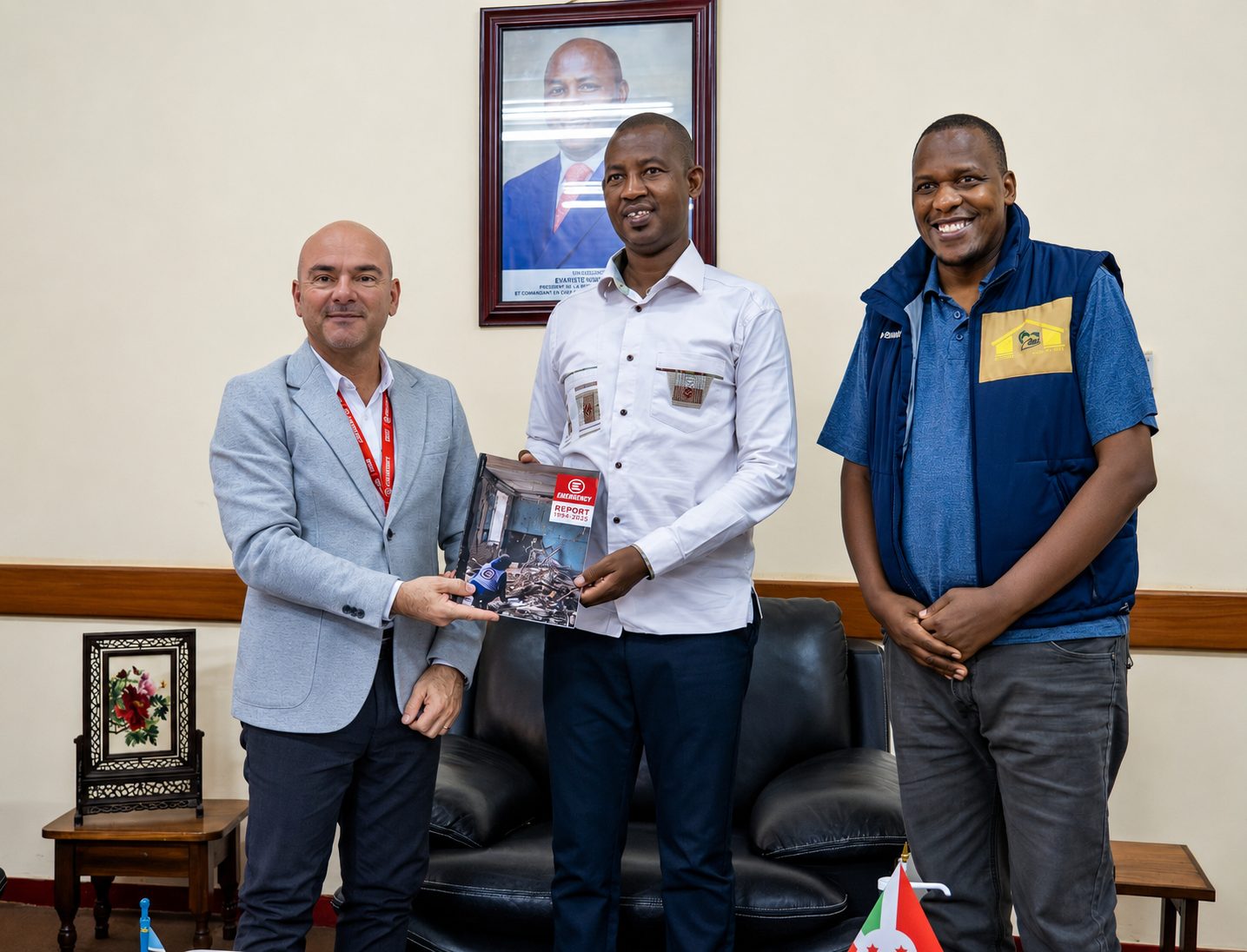
Alongside clinical activities, EMERGENCY met with local health authorities, organisations and academic institutions to strengthen long-term collaboration around specialist paediatric care and medical training.
With a shared commitment to improving access to high-quality specialised care for Burundian children, the impact is clear: thanks to the Regional Programme, hundreds of Burundians have undergone surgery at EMERGENCY’s specialist facilties, including 116 cardiac patients at the Salam Centre for Cardiac Surgery in Sudan, and 210 paediatric patients at the Children’s Surgical Hospital in Uganda.
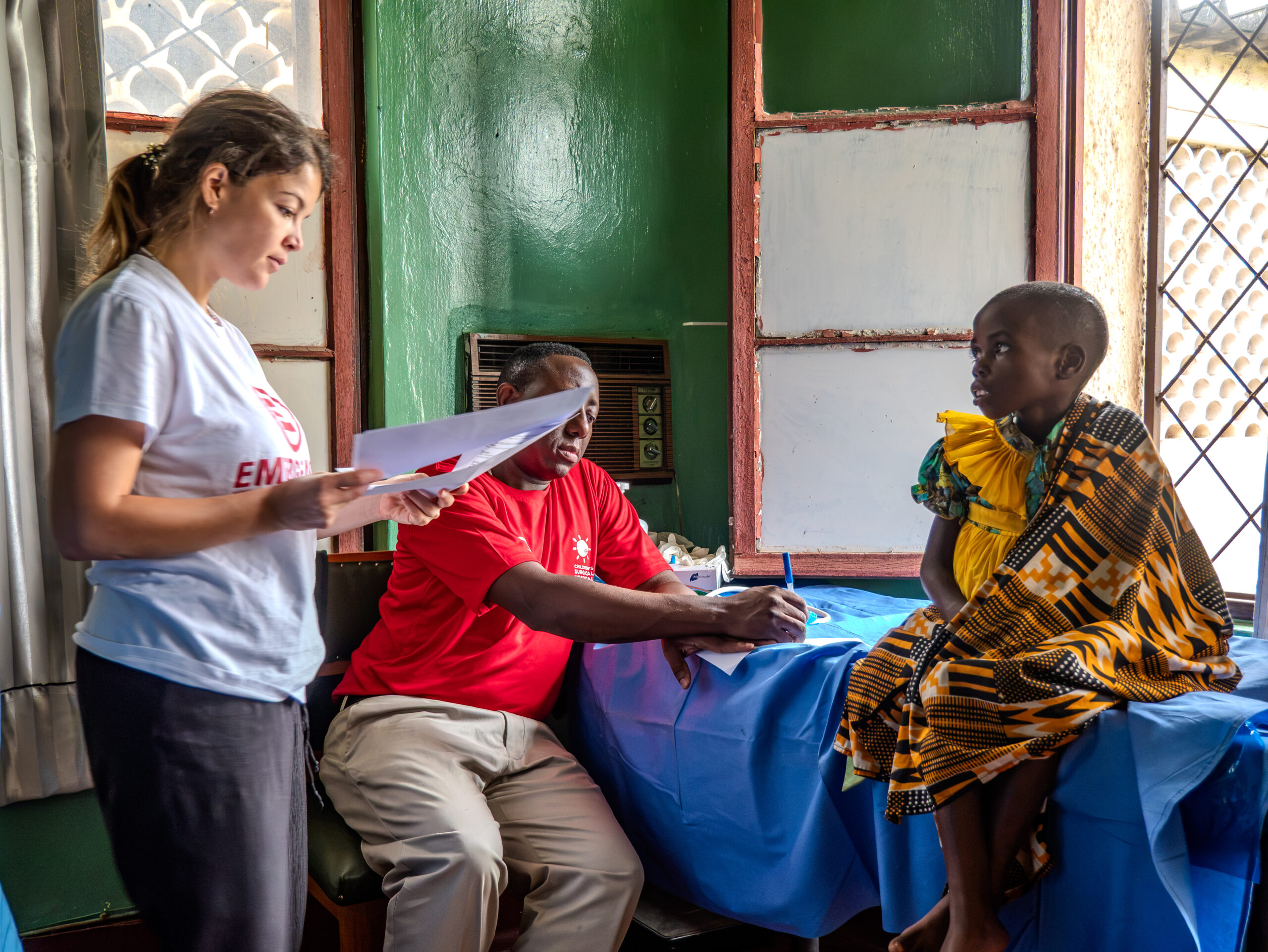
For families returning to the clinics, the visit was also an opportunity to celebrate recovery.
Among them was 13-year-old Justice, who returned for follow-up after receiving surgery at EMERGENCY’s Children’s Surgical Hospital in Entebbe.
“Before Justice received treatment, every day was difficult,” said her mother, Fanny. “Today, she is doing so much better. She goes to school with confidence, plays with her friends again, and the stigma that once surrounded her has disappeared.”
The Regional Programme extends beyond surgery. Through regular medical screening missions, follow-up care and partnerships with national institutions, EMERGENCY is helping ensure that children continue to receive care after returning home, while strengthening access to specialised paediatric services across the region.
Latest updates
“It is right to be here”: Medical Coordinator Giorgio Monti on providing care in Gaza
Thursday, October 1, 2026
Ukraine | Our refurbishment of the Husarivka Clinic in Kharkiv, through the eyes of Liudmyla and Dmytro
Thursday, September 17, 2026