
Afghanistan | 100,000 babies born in Anabah
100,000 babies have been born at our Maternity Centre in Anabah, Afghanistan.
A milestone achieved through years of care and support for women and newborns in a country that has faced decades of conflict and poverty.
Fatima’s Story
“I felt supported throughout my pregnancy. I have received the best care here,” says Fatima*, aged 27.
After giving birth to her first two children, she had suffered two miscarriages. With her newest pregnancy, Fatima has been coming to the Anabah hospital regularly to receive antenatal care, an essential service for mothers living in this rural valley.
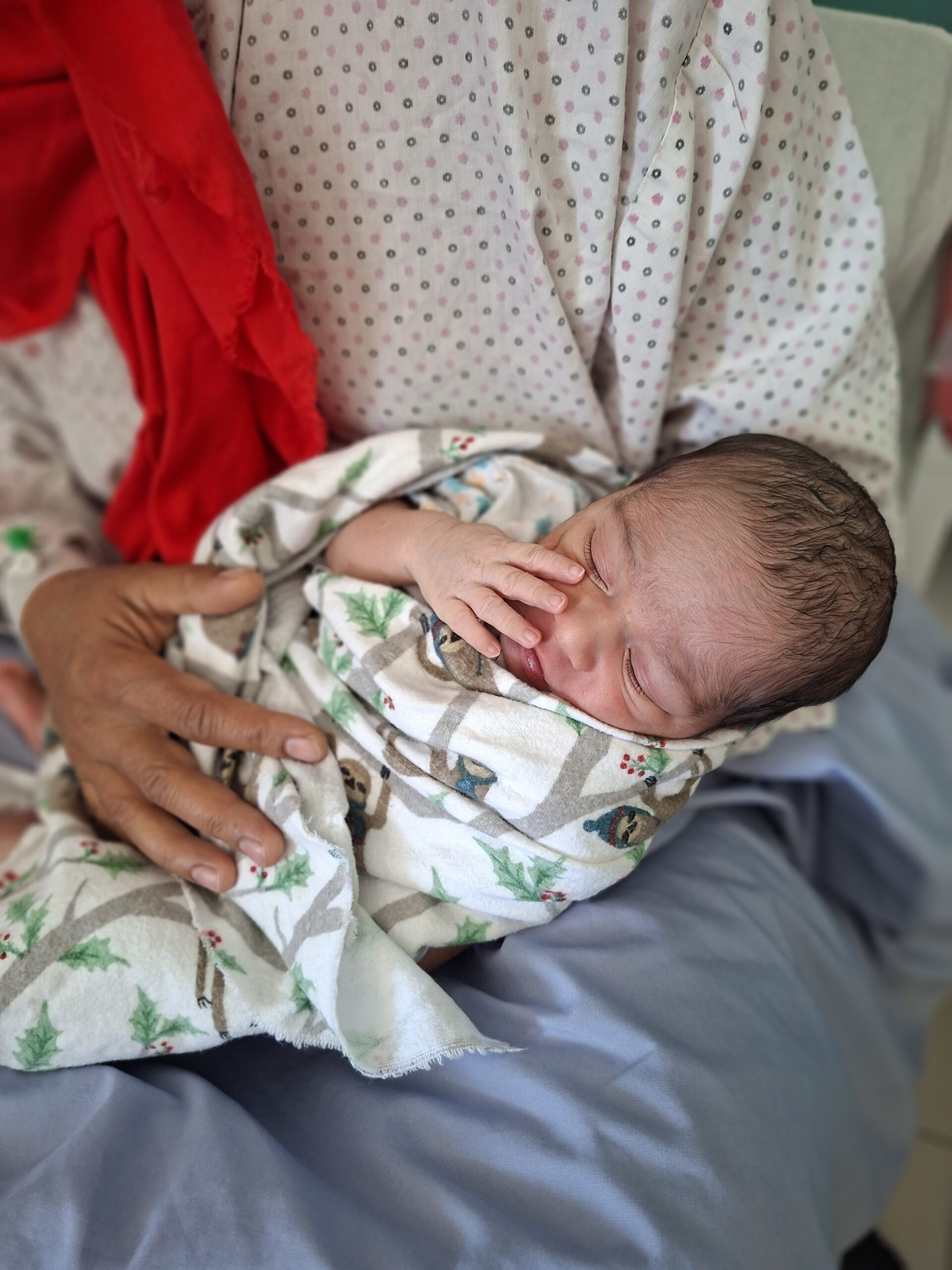
In spring, she gave birth to a healthy baby at our Centre.
“I am so happy to have another child,” Fatima tells us, cradling her newborn. “I know that for this hospital to deliver so many healthy babies, it is thanks to the good treatment you provide to mothers and children.”
More than 25 years of providing care
We opened the Maternity Centre in 1999, a special facility nestled in Afghanistan’s Panjshir Valley: an area marked by cold winters, dramatic terrains and limited transportation.
Since the very first local outreach programmes, to an expansion in 2003 that strengthened our maternal and child health services, our colleagues have worked every day to provide obstetric, gynaecological and neonatal care, making a significant contribution to reducing maternal and neonatal mortality.
“I am so proud that 100,000 babies have been born in our hospital,” says Nehal*, a midwife and Team Leader on the ICU.
“We have worked hard and always tried to give our best, supporting women living in extremely difficult circumstances. With every step I’ve taken in the Maternity Centre on the way to see a patient, I think I could have travelled halfway around the world.”
More than 97% of the Anabah Centre’s staff are Afghan: over 170 Afghan professionals, including gynaecologists and midwives, work and train within the facility, including international courses.
Their commitment supports both continuity of care and the development of the next generation of women in health, crucial for ensuring access to care for women and girls.
Leila*, one of our doctors, agrees. “There has been a rise in complex and emergency cases, but in this region our Centre remains a place of hope for both mothers and babies,” she says. “With highly qualified staff, we are providing strength and care to our people.”
100,000 births mean 100,000 new beginnings. 100,000 new opportunities for hope.
*Names anonymised for privacy
Latest updates
“It is right to be here”: Medical Coordinator Giorgio Monti on providing care in Gaza
Thursday, October 1, 2026
Ukraine | Our refurbishment of the Husarivka Clinic in Kharkiv, through the eyes of Liudmyla and Dmytro
Thursday, September 17, 2026