
In Port Sudan, Childhood Anaemia Reveals the Hidden Impact of War
Since the beginning of 2026, nearly one in four children visiting EMERGENCY’s Paediatric Centre in Port Sudan for the first time have been diagnosed with anaemia.
Of the 8,770 children seen for an initial consultation at our Paediatric Centre since the beginning of the year, 23% were diagnosed with anaemia, a condition that occurs when the blood cannot carry enough oxygen around the body.
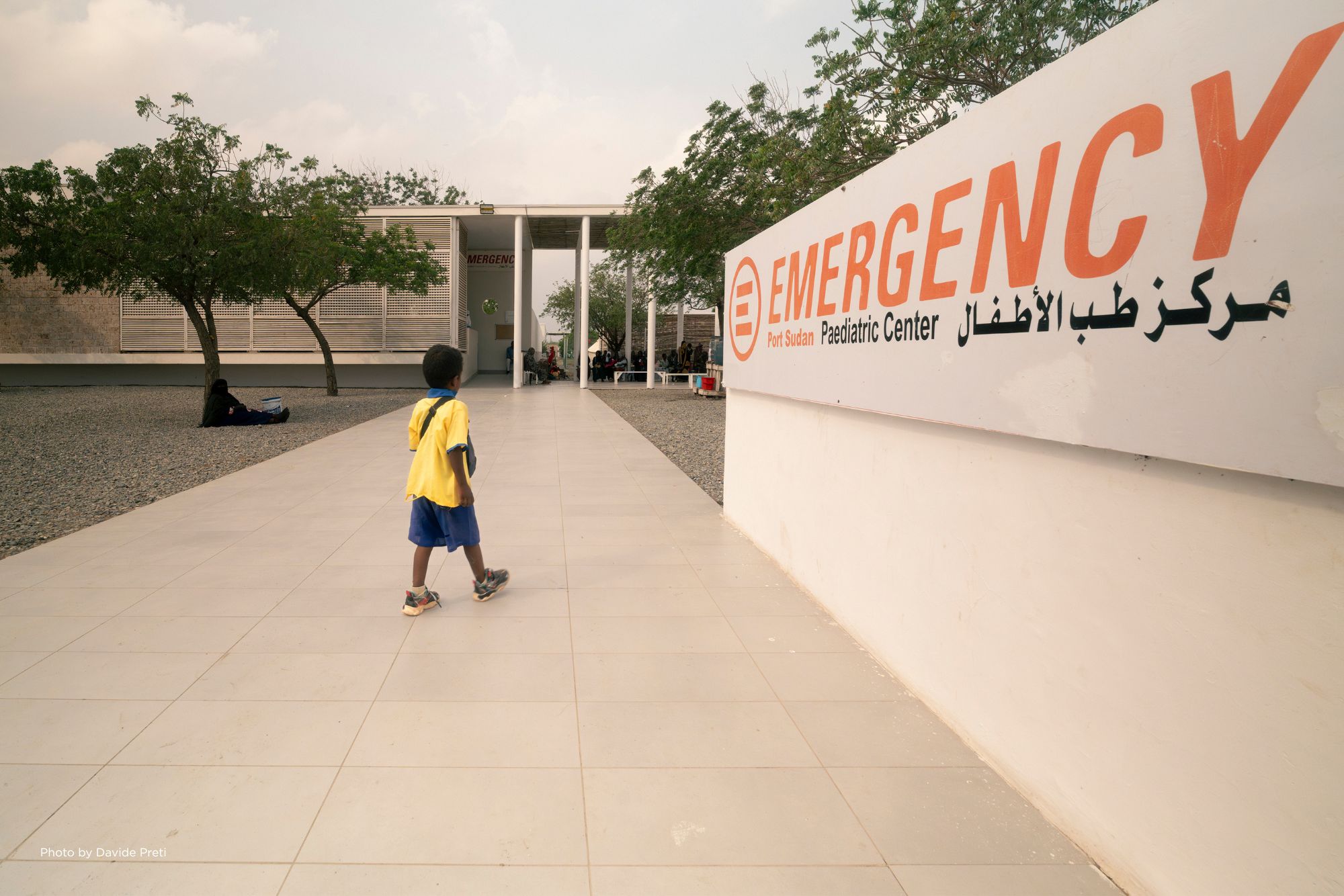
Behind that figure lies a combination of challenges that have intensified during more than three years of conflict in Sudan: worsening food insecurity, malnutrition, rising cases of malaria and limited access to healthcare and preventive services.
“The prevalence of anaemia among children is a key indicator of nutritional and health vulnerability,” said Mutassim Bakri, Director of our Paediatric Centre in Port Sudan. “Anaemia may be associated with malnutrition, infections such as malaria, and limited access to preventive and curative healthcare services, reflecting the multidimensional impact of war on people’s health.”
For children, anaemia can cause fatigue and weakness, increase vulnerability to infections, and, if left untreated, lead to complications affecting their growth and development.
In a conflict setting, these risks can become even more serious.
At our Paediatric Centre, treating anaemia therefore means looking beyond the diagnosis itself. Our teams identify and treat underlying causes, including malaria and other infections, while providing iron and micronutrient supplementation, nutritional support, and monitoring haemoglobin levels.
It is still early when Amina arrives at the Centre with her five-year-old son, Omar.
They walked for more than an hour. At times, Amina has carried him because he has become too tired to continue on his own.
For weeks, Omar has not been himself. He no longer runs with other children and becomes exhausted after only a few minutes. His mother has noticed that his face has grown increasingly pale, and that even minor physical activity leaves him short of breath.
Since the war forced the family to flee their home in eastern Sudan, finding enough food has become increasingly difficult. Although Port Sudan is not currently experiencing active fighting, employment opportunities are scarce and the family’s limited income is not enough to provide a varied, nutritious diet. Omar has also experienced several episodes of fever, potentially linked to malaria, which is widespread in the region.
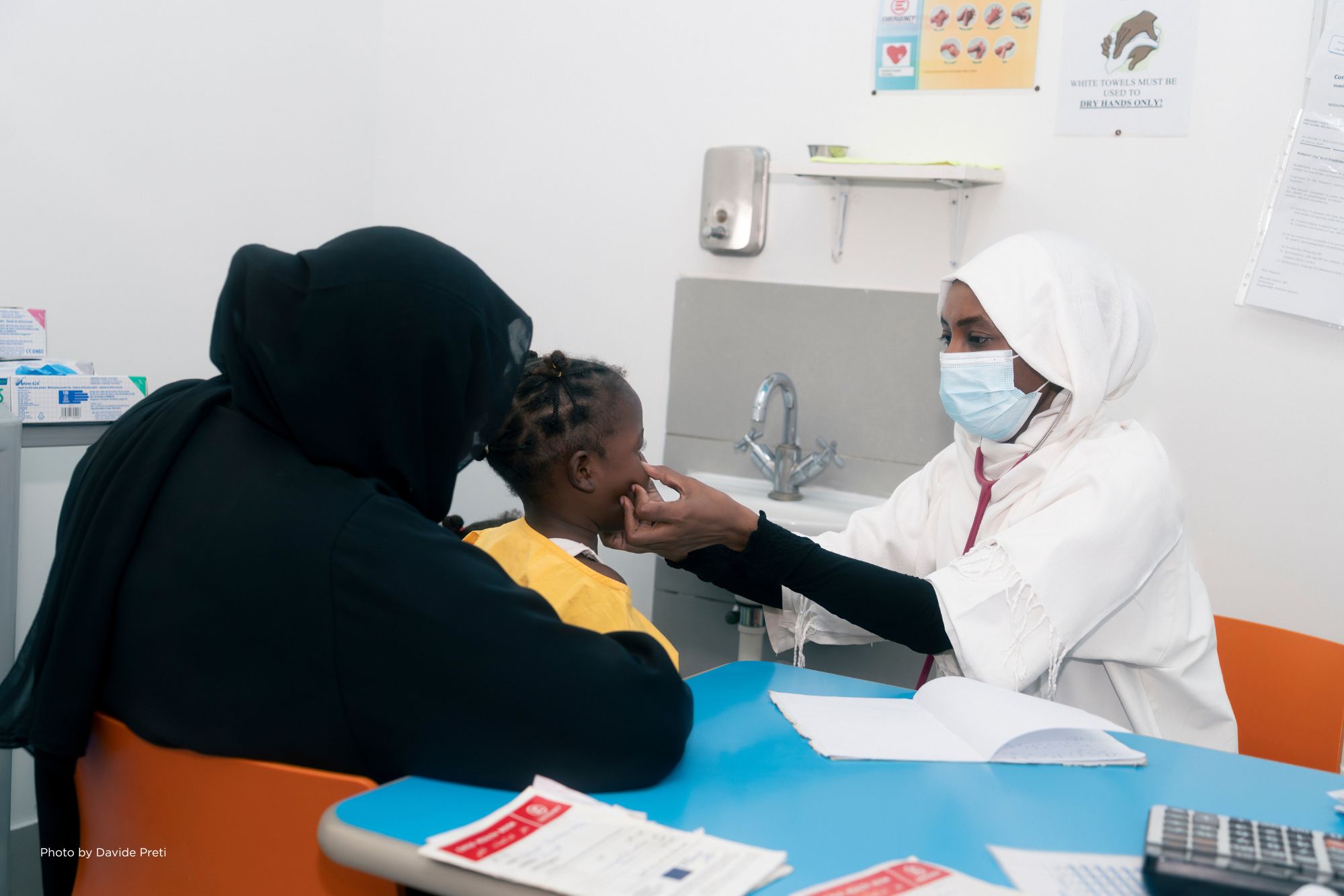
At the Centre, our team measures Omar’s haemoglobin level and confirms that he has anaemia. We explain the diagnosis to Amina and begin his treatment, providing guidance on nutrition and follow-up care based on the resources available to the family.
Omar will return for regular check-ups so that our team can monitor his progress.
“Without timely treatment, fatigue and weakness can develop into long-term problems affecting a child’s growth, development and ability to cope with other illnesses,” said Bakri. “Ensuring early diagnosis, appropriate treatment and nutritional support means breaking this cycle of vulnerability and giving these children a real opportunity to continue growing despite the difficult circumstances in which they live.”
Protecting children’s health before birth
Preventing childhood anaemia can begin before a child is born. Maternal anaemia during pregnancy can affect a newborn’s iron stores and increase the risk of anaemia during the first months and years of life. This makes access to maternal healthcare an important part of protecting children’s health.
“A child’s health begins during pregnancy. Untreated maternal anaemia can affect a newborn’s iron stores and increase the risk of anaemia during the first months and years of life,” explained an EMERGENCY midwife at the Port Sudan clinic. “When we see a child with anaemia, we often need to look beyond the diagnosis and ask what happened before birth. A child’s health is closely connected to the mother’s health. Preventing and treating anaemia during pregnancy gives children a healthier and safer start in life.”
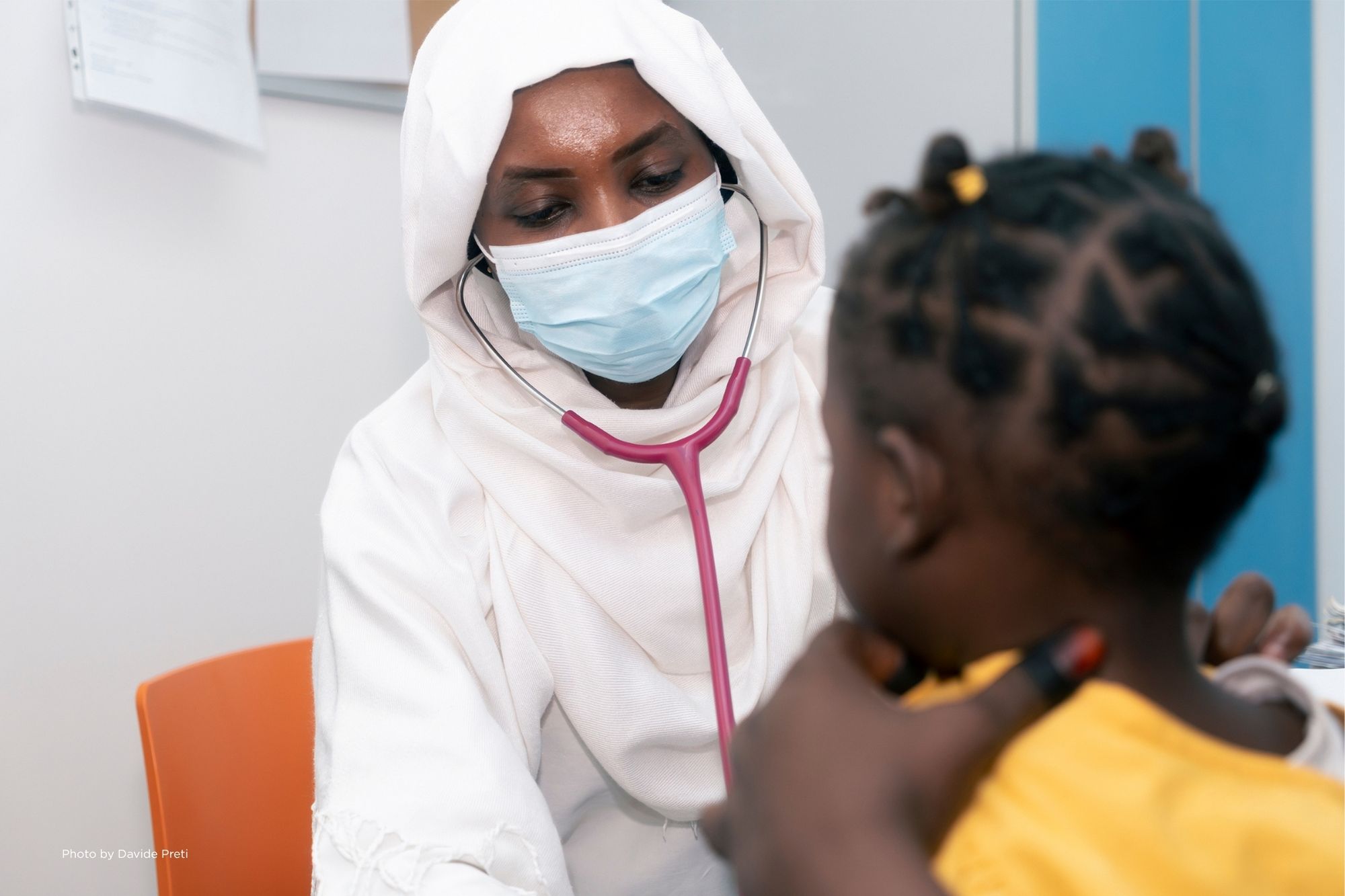
Through antenatal consultations at our Centre, our team identifies risk factors early, monitors maternal health and provides appropriate care, counselling and support to help prevent and manage anaemia during pregnancy.
More than three years of conflict have affected health in ways that extend far beyond injuries caused directly by violence. For children living with food insecurity, malnutrition, malaria and reduced access to healthcare, conditions such as anaemia can be another consequence of a crisis that touches nearly every aspect of daily life.
We cannot forget Sudan.
EMERGENCY’s Paediatric Centre in Port Sudan is supported by the Italian Agency for Development Cooperation (AICS). Strengthening Paediatric and Maternal and Child Health in Response to the Conflict in Sudan – Phase 2. AID Code 12846
Latest updates
“It is right to be here”: Medical Coordinator Giorgio Monti on providing care in Gaza
Thursday, October 1, 2026
Ukraine | Our refurbishment of the Husarivka Clinic in Kharkiv, through the eyes of Liudmyla and Dmytro
Thursday, September 17, 2026