
Iraq and the Kurdistan Region Under the Threat of a New Crisis | Testimony from Sulaymaniyah
With the outbreak of the war between Iran, Israel and the United States, Iraq is once again at the epicentre of a fraught geopolitical landscape. The country, including the region of Iraqi Kurdistan, has already endured decades of conflict, and tensions in the region continue to have a profound effect on the daily lives of the population.
Since March, the escalation has grown exponentially, with attacks and counterattacks continuing in several areas. Iran and its allies have appeared to target U.S. forces and bases, as well as Iranian opposition groups based in the Kurdistan Region, particularly in the areas of Duhok, Erbil and Sulaymaniyah.
Bases and telecommunications towers of the Peshmerga [the Kurdistan Region’s internal security forces] have also been hit along the Iraq-Iran border.
Several airborne operations conducted by U.S. forces have appeared to target militias in the Iraqi provinces of Diyala, Kirkuk and Anbar, as well as along the border with Syria.
Rockets and drones are frequently heard — and sometimes seen — flying over populated areas.
Iraqi airspace has been closed, oil field operations and exports have been suspended, natural gas production has decreased in some fields, and electricity supply is limited to 5–10 hours per day. Many families now rely on generators, while schools and universities have closed as a precaution, disrupting education and jeopardising continuity.
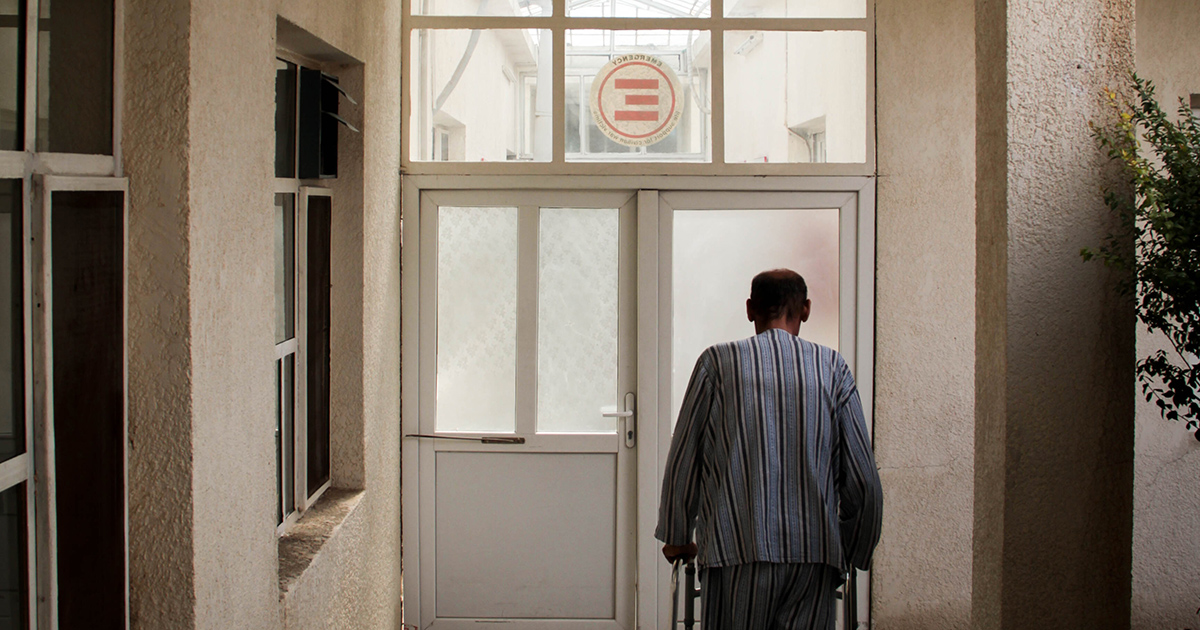
In my 30 years of experience with EMERGENCY – which in the Iraqi Kurdistan Region provides free prosthetics, physiotherapy and rehabilitation services for disabled people, many of whom have been injured by landmines – I have seen just how vital it is to ensure continued access to care even in times of crisis, like this one. Even more so in a context where the public health system is fragile and health insurance is not widely available.
Our Centre is one of the few specialised facilities in the area providing free care, and over the years it has become an essential facility not only across Iraq, but also for patients coming from Syria and Iran.
Since October 2024, political disputes have caused delays in public sector salary payments, budget shortfalls and growing pressure on civil society. Redirecting the few remaining resources toward defence or war-related emergencies could be disastrous for the population. Rising prices for basic goods would deprive thousands of families of the chance of a decent life.
This instability is also pushing many young people to attempt dangerous journeys to Europe in search of safety and dignity. Some end up trapped or are kidnapped by human traffickers, who demand large sums from their families for their release — a sign of the desperation caused by years of insecurity.
Media are also reporting attacks on U.S. and European bases in Erbil, a city where EMERGENCY ran a Surgical Centre until 2017, including during the most intense months of the Battle of Mosul. The project responded to the healthcare needs of a population that had suddenly lost access to hospitals, which were often destroyed or no longer functioning.
Iraq, including the Kurdistan Region where our Rehabilitation and Social Reintegration Centre is located, is only slowly emerging from decades of violence.
This new escalation risks erasing the fragile progress made in a land already saturated with pain.
The Legacy of War
The patients we treat in our Centre carry the permanent scars of war. Iraq remains one of the most heavily mined countries in the world. Landmines and unexploded ordnance — the legacy of past conflicts — continue to kill and maim civilians, particularly agricultural communities and children.
Another war would mean new landmines, new unexploded ordnance and, inevitably, new amputations and disabilities, placing further pressure on healthcare and rehabilitation services.
The people living in this region deserve peace and the chance to rebuild their lives. The next generation has the right to grow up in safety, health and hope.
— Shadman Murad Khan, Director of EMERGENCY’s Rehabilitation and Social Reintegration Centre in Sulaymaniyah, Iraqi Kurdistan
Latest updates
Iraq and the Kurdistan Region Under the Threat of a New Crisis | Testimony from Sulaymaniyah
Saturday, March 14, 2026
“I believed in serving humanity” | 10 years on from the Ebola crisis in Sierra Leone
Thursday, March 12, 2026