
Restoring Tarique’s Childhood
For a father who earns his living repairing motorcycles in Bugembe, a bustling trading centre in Jinja District, Eastern Uganda, every shilling is hard-earned. Yet for months, Amalu spent everything he had and borrowed even more in a desperate effort to save the life of his six-year-old son, Tarique.
In October 2025, Tarique began experiencing persistent lower abdominal pain and difficulty passing urine. By nature a lively pupil, constant illness kept him almost entirely out of school for months. Instead of learning and playing with his friends, his time was marked by recurring abdominal pain, repeated hospital visits and growing uncertainty about the cause of his suffering.
Tarique’s 68-year-old grandmother, Khadijja, sought help from at least five different health facilities, including local clinics, district health centres and regional referral hospitals. Each visit brought temporary relief through medications, treatments, or minor procedures, but none addressed the root cause of his condition.
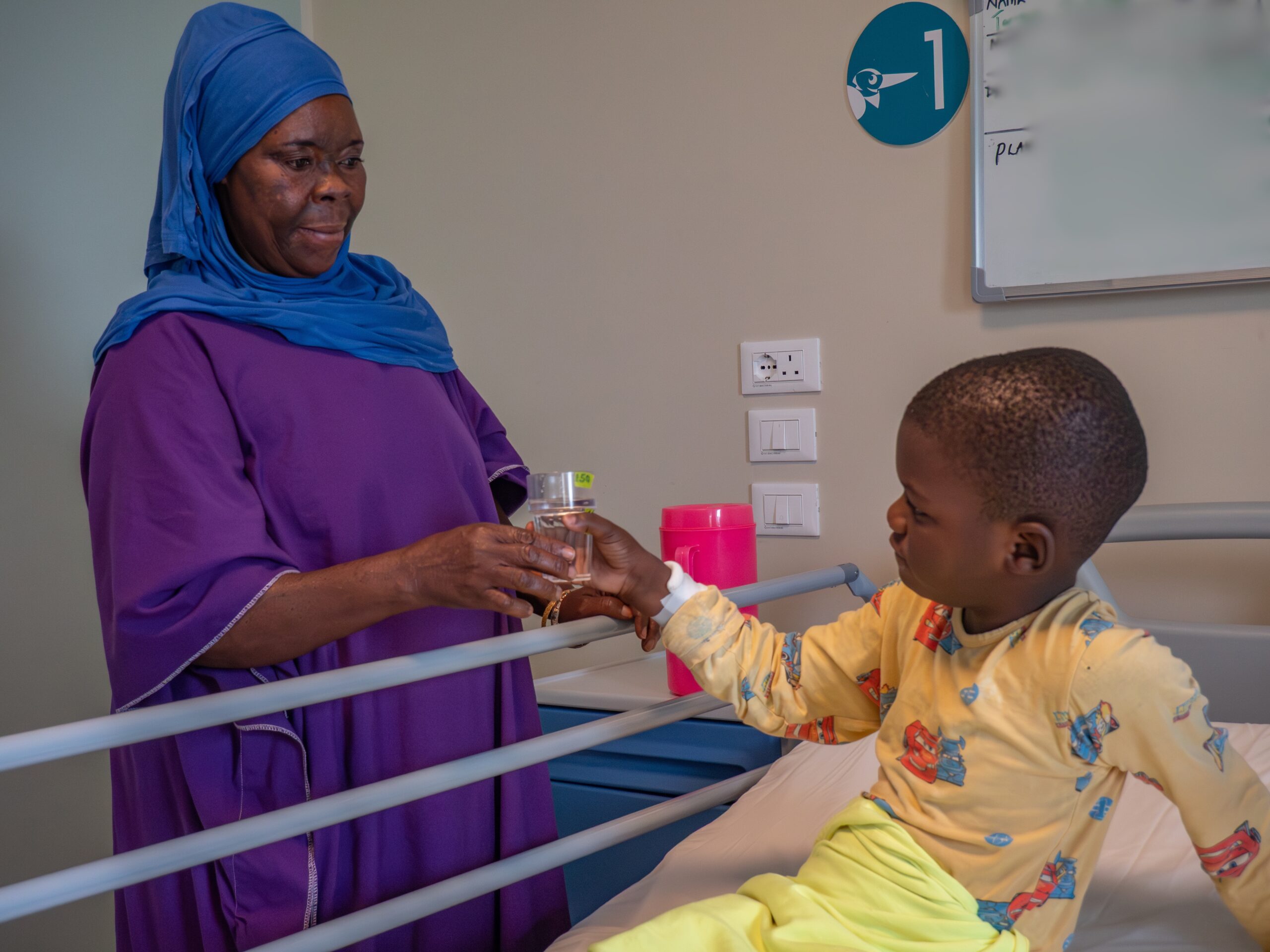
Still searching for answers, Khadijja brought Tarique to a specialised private hospital in Jinja, where he was diagnosed with a complex congenital anomaly known as ureteric duplication of the left kidney (duplex ureter). The necessary corrective surgery is highly specialised, and often beyond the financial reach of many Ugandan families.
Overwhelmed by debt and running out of options, Amalu began reaching out to relatives for support. His sister-in-law, a social worker with a local NGO in Jinja, had heard about the specialised services offered at EMERGENCY’s Children’s Surgical Hospital in Entebbe and encouraged the family to make contact.
By May, Tarique and his father had arrived at the hospital, where the clinical team confirmed his diagnosis and scheduled him for surgery.
“I was left in complete disbelief after that first assessment,” Amalu recalls. “At every other hospital, every small consultation or assessment cost money. When they told me the care here was entirely free, I honestly couldn’t believe it until it actually happened.”
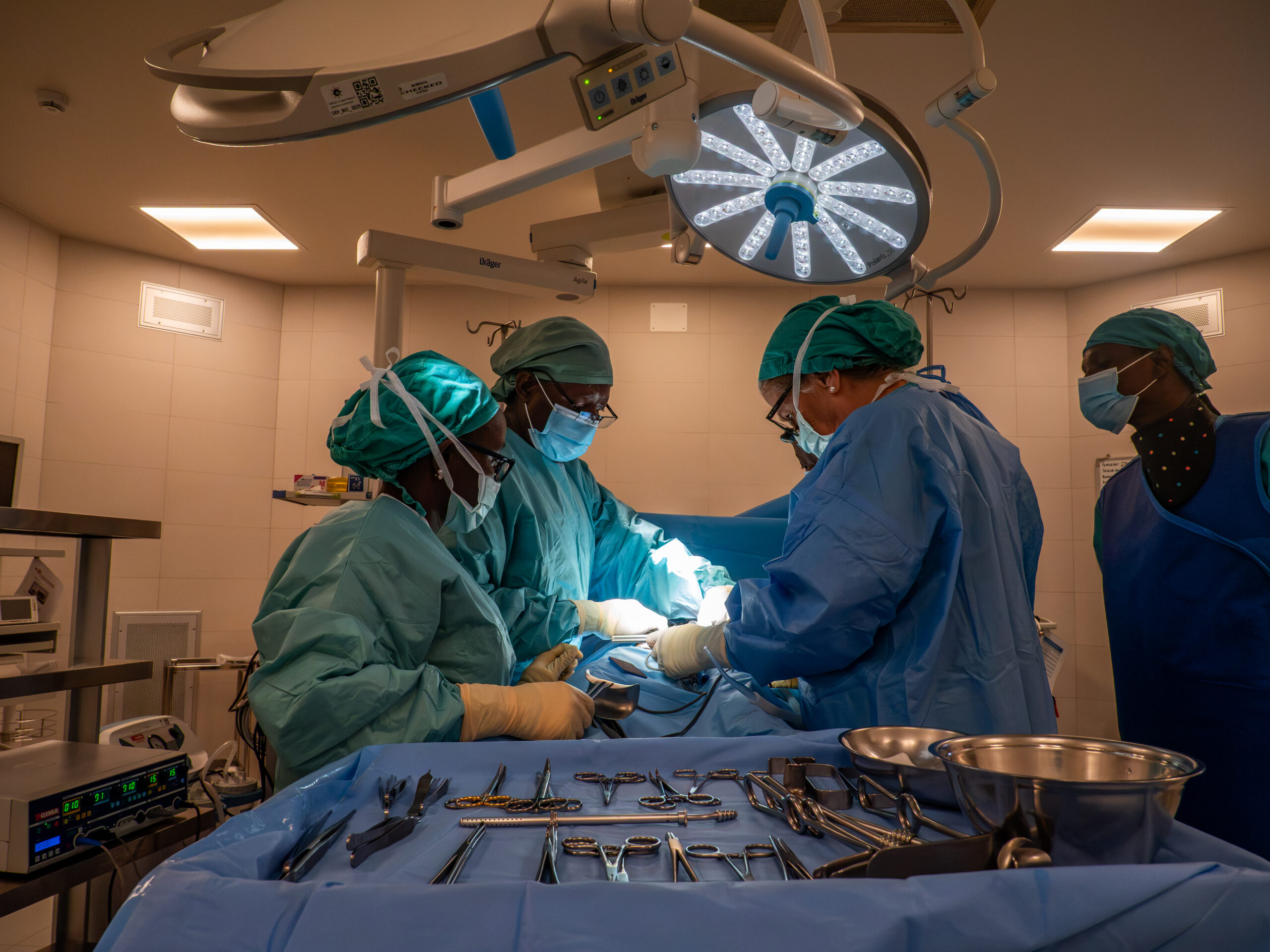
In early June, Tarique was admitted for surgery. Outside the operating theatre, the wait felt endless for his grandmother.
“My heart could not rest when they entered the theatre, despite the detailed brief the nurses had given me,” Khadijja recalls, her voice trembling. “It took so long; my heart was racing. I eventually told one of the nurses, ‘If anything has happened to my grandson, please just tell me.’”
To Khadijja, time seemed to stand still. Then the surgeons emerged and announced that the operation had been successful – protecting Tarique’s kidney from permanent damage. Months of fear, uncertainty and anxiety gave way to overwhelming relief: Tarique’s condition had finally been corrected at its source.
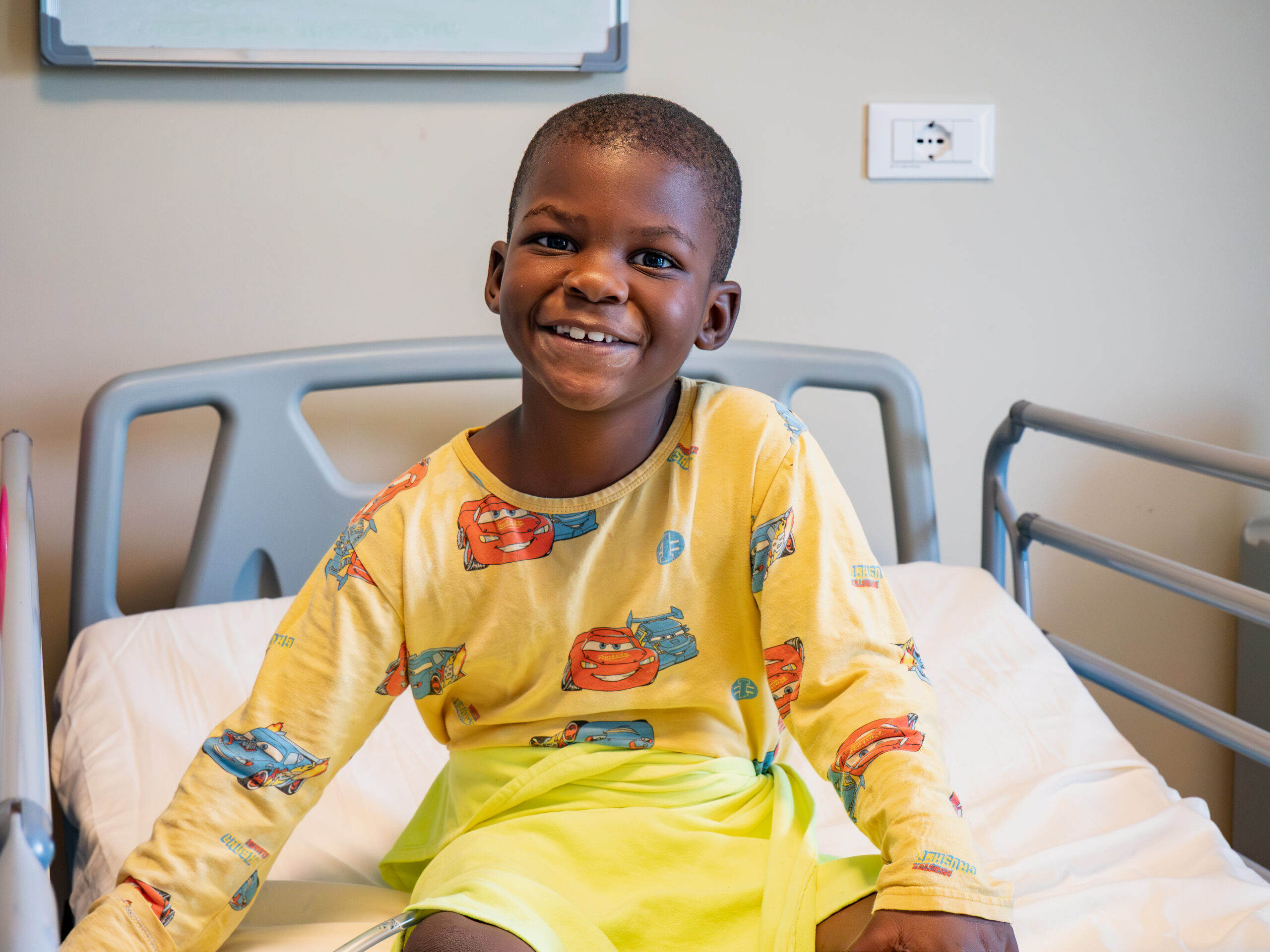
Without timely intervention, Tarique’s condition could have progressed to irreversible kidney damage and even failure. Today, his bright smile is a powerful reminder of what accessible, high-quality paediatric surgical care can achieve. He is recovering well. The chronic pain, exhaustion and discomfort that shadowed Tarique’s childhood have been replaced by renewed energy and hope.
Reflecting on a journey that tested his finances, faith and emotional resilience, Amalu still struggles to find the words:
“I still don’t understand how this hospital manages to offer such high-quality treatment completely for free,” he says. “I am grateful beyond words. They have saved my child.”
Photos by Haruna Musa
Latest updates
“It is right to be here”: Medical Coordinator Giorgio Monti on providing care in Gaza
Thursday, October 1, 2026
Ukraine | Our refurbishment of the Husarivka Clinic in Kharkiv, through the eyes of Liudmyla and Dmytro
Thursday, September 17, 2026