
Afghanistan: Five years on from August 2021
Five years after the withdrawal of international forces and the Taliban’s return to power, Afghanistan’s humanitarian, economic and health crises continue to worsen.
The economic recession has deepened amid escalating regional tensions. Regional conflicts have disrupted some of the country’s main trade routes, affecting the supply, availability and cost of essential goods, including food and medicine.
Together with frequent natural disasters such as earthquakes and floods, rising urban violence and violations of women and girls’ rights, immense pressure is impacting an already fragile society.
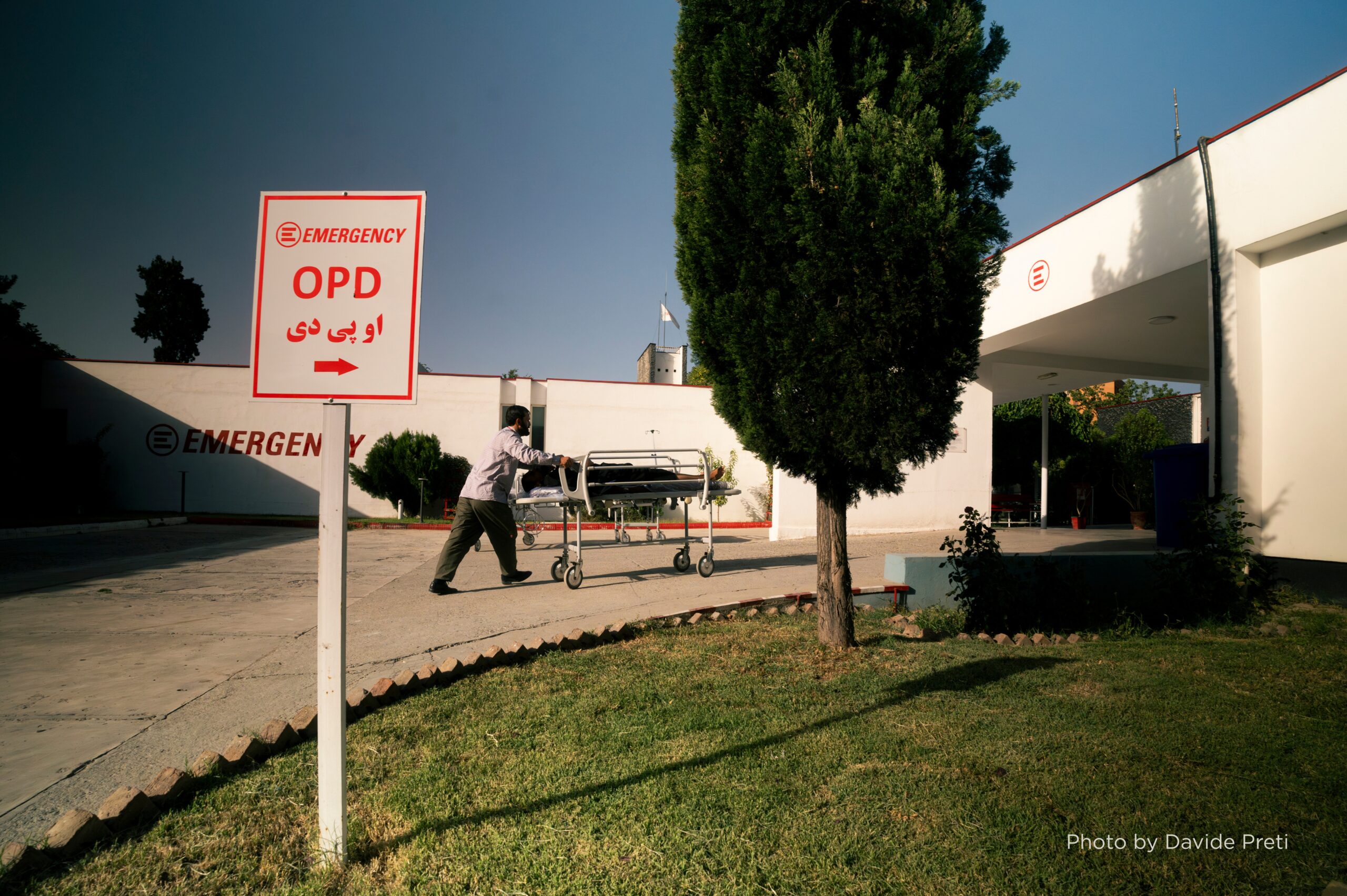
The Numbers Behind an Underfunded Crisis
→ 21.9 million people need humanitarian aid, half of whom are women and girls
→ 7.4 million Afghans are experiencing severe food insecurity, equivalent to one-third of the entire population
Data: OCHA
International funding for Afghanistan has fallen sharply, with 445 healthcare facilities forced to close or suspend operations due to funding shortfalls in 2025, depriving more than 3 million people of healthcare. Funding cuts affecting 206 of these facilities were directly linked to the January 2025 freeze on USAID funding.
The 2025 Humanitarian Response Plan received just 41% of the funding required, placing further pressure on an already fragmented health system and limiting access to essential healthcare services.
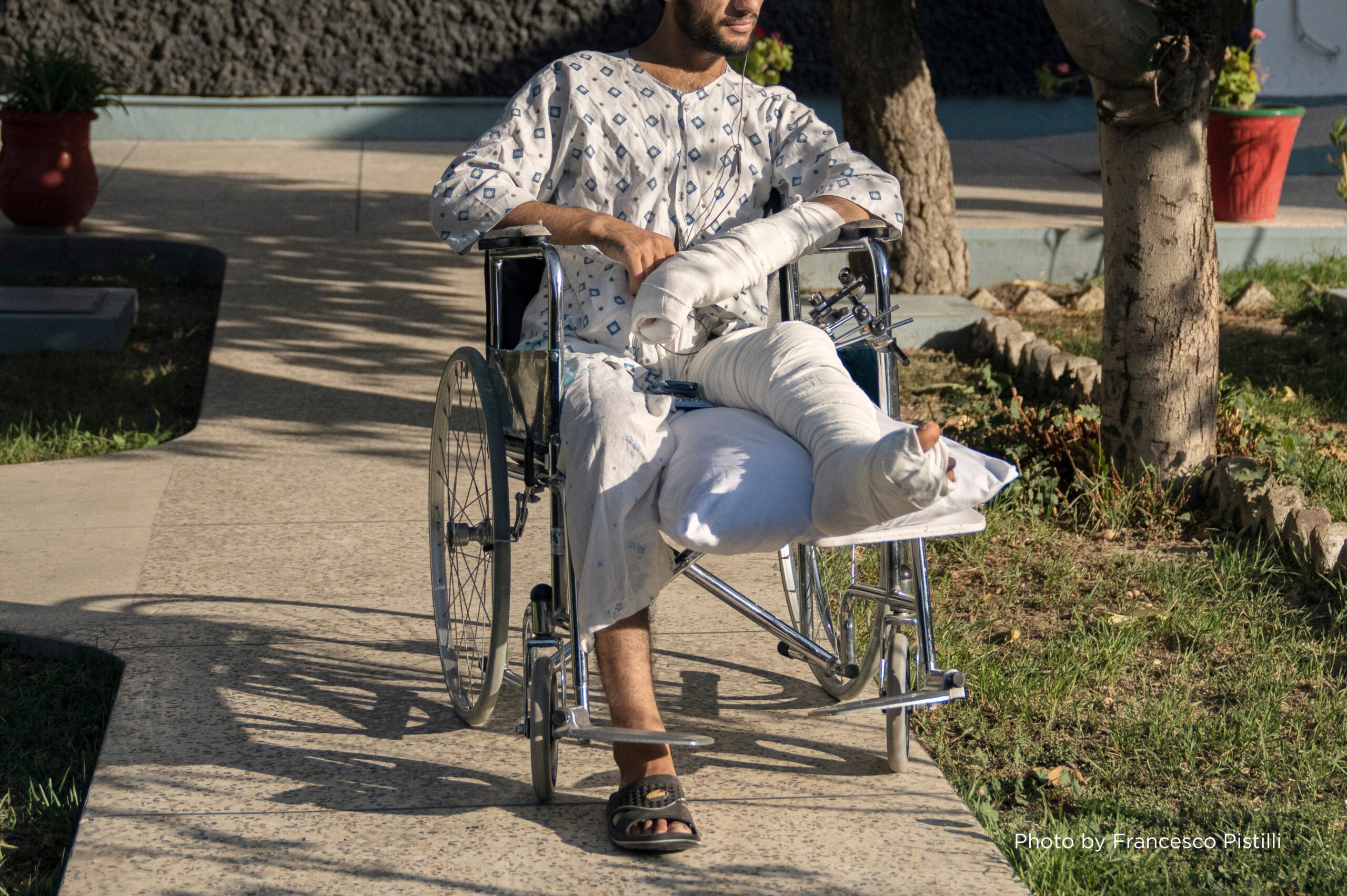
"The stories that repeat throughout the wards of our hospitals and clinics sadly recount tragedies we have come to know all too well: patients forced to travel for hours to receive the care they need, often bearing the costs of transport, medicines and diagnostic tests; victims of the many forms of violence that continue to affect Afghanistan, including terrorist attacks, border clashes, shootings."
Dejan Panic, EMERGENCY’s Country Director in Afghanistan
5 Years On: The Situation in Kabul
Violent injuries appear to be increasing, with admissions following terrorist attacks, border clashes, shootings, explosive remnants of war and other violent incidents.
In the first six months of 2026, 70% of patients admitted for trauma care at EMERGENCY’s Kabul Surgical Centre were injured as a result of violence, compared to around two-thirds of patients in 2025. In both the Kabul and Lashkar-Gah hospitals, there has been an increase in serious cases and deaths on arrival, partly due to delays in reaching medical facilities.
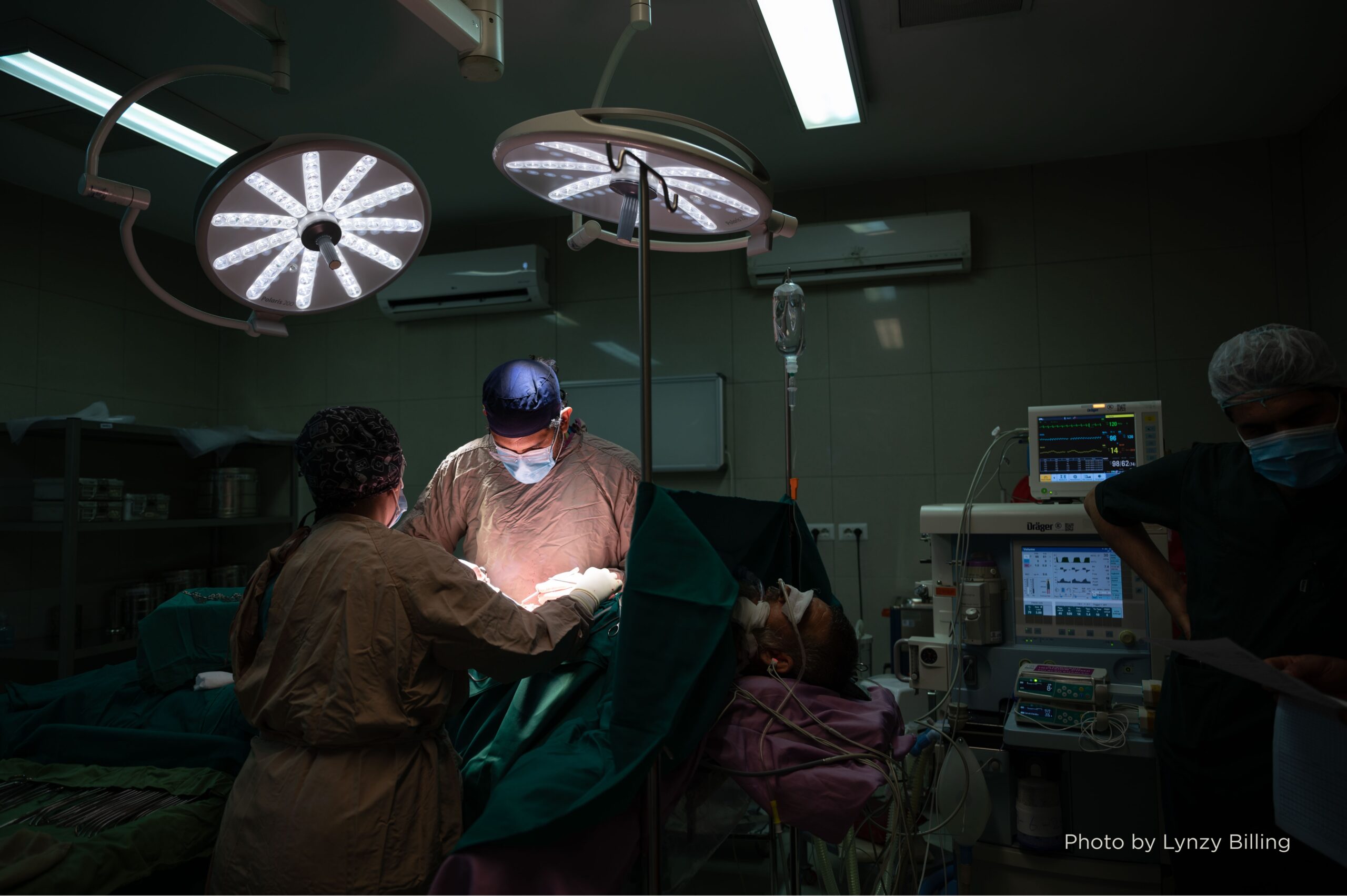
“We are seeing an increase in violence in large urban centres characterised by high population density. Public health facilities are overwhelmed, and access to free, high-quality surgical care is limited. As long as even putting a meal on the table once a day or buying medicines remains impossible, for us the consequences of war will never truly be over.”
An Afghan nurse at EMERGENCY’s Surgical Centre in Kabul*
5 Years On: The Situation in Lashkar-Gah (Helmand)
In Helmand province, once a hub of fighting, EMERGENCY’s Surgical Centre now mainly treats civilian trauma cases, with children under 14 making up more than 50% of all admissions.
Many of our patients arrive in very serious condition because there is no functioning network of local services, such as ambulances or primary healthcare facilities, to allow them to reach a hospital quickly. Instead, they travel by whatever means are available, often at great personal expense, and arrive with complications that can require life-changing procedures, including limb amputation.
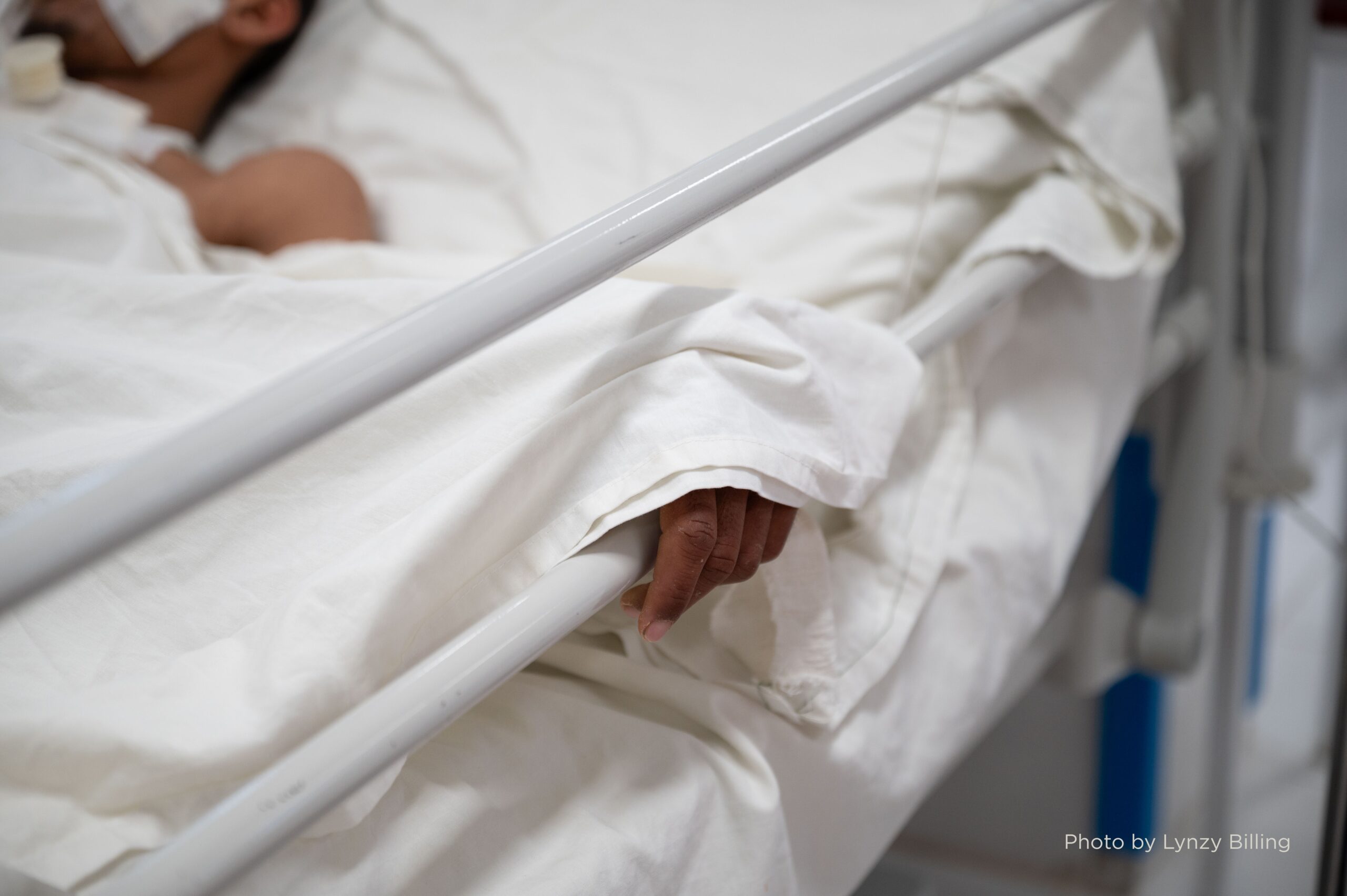
"These people will no longer be able to work: who will provide for their families? One of the consequences of the economic crisis is an increase in child labour: most of the patients we admit following workplace accidents are under 18."
An Afghan surgeon at EMERGENCY's Surgical Centre in Lashkar-Gah*
5 years on: the situation in Anabah (Panjshir Valley)
In the Panjshir Valley, the consequences of restrictions imposed on women and girls are evident. Over the past five years, increasing restrictions on education, employment, and participation in public life have continued to have significant repercussions, including on the healthcare system.
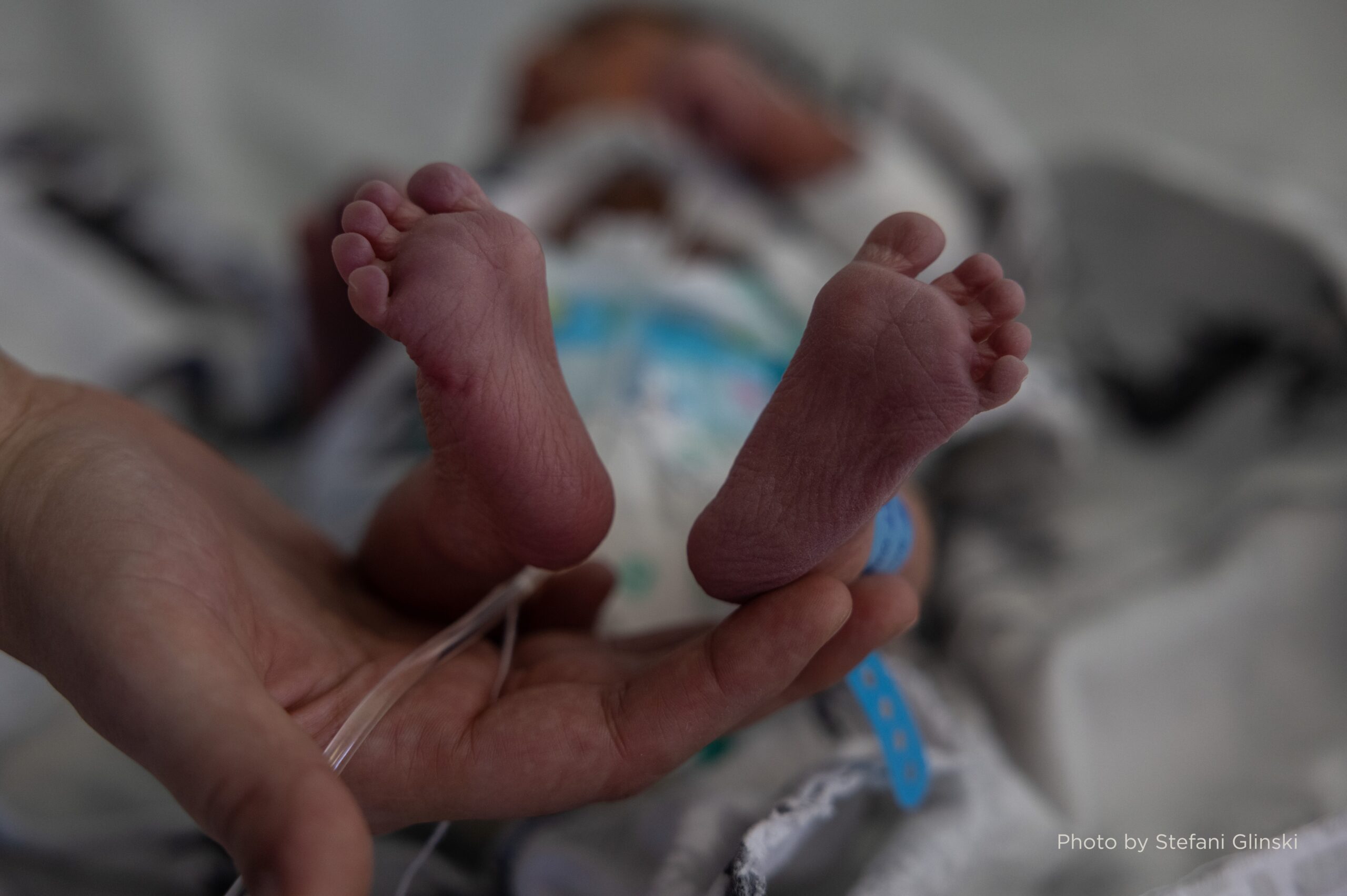
Across EMERGENCY’s facilities, more than half of women (54%) arrived for a first antenatal check in their second or third trimester. Just 11% were able to attend the recommended four antenatal visits. EMERGENCY’s Anabah Maternity Centre continues to provide essential care to mothers and babies, many of whom are arriving in conditions of grave risk to their own lives as well as their babies’.
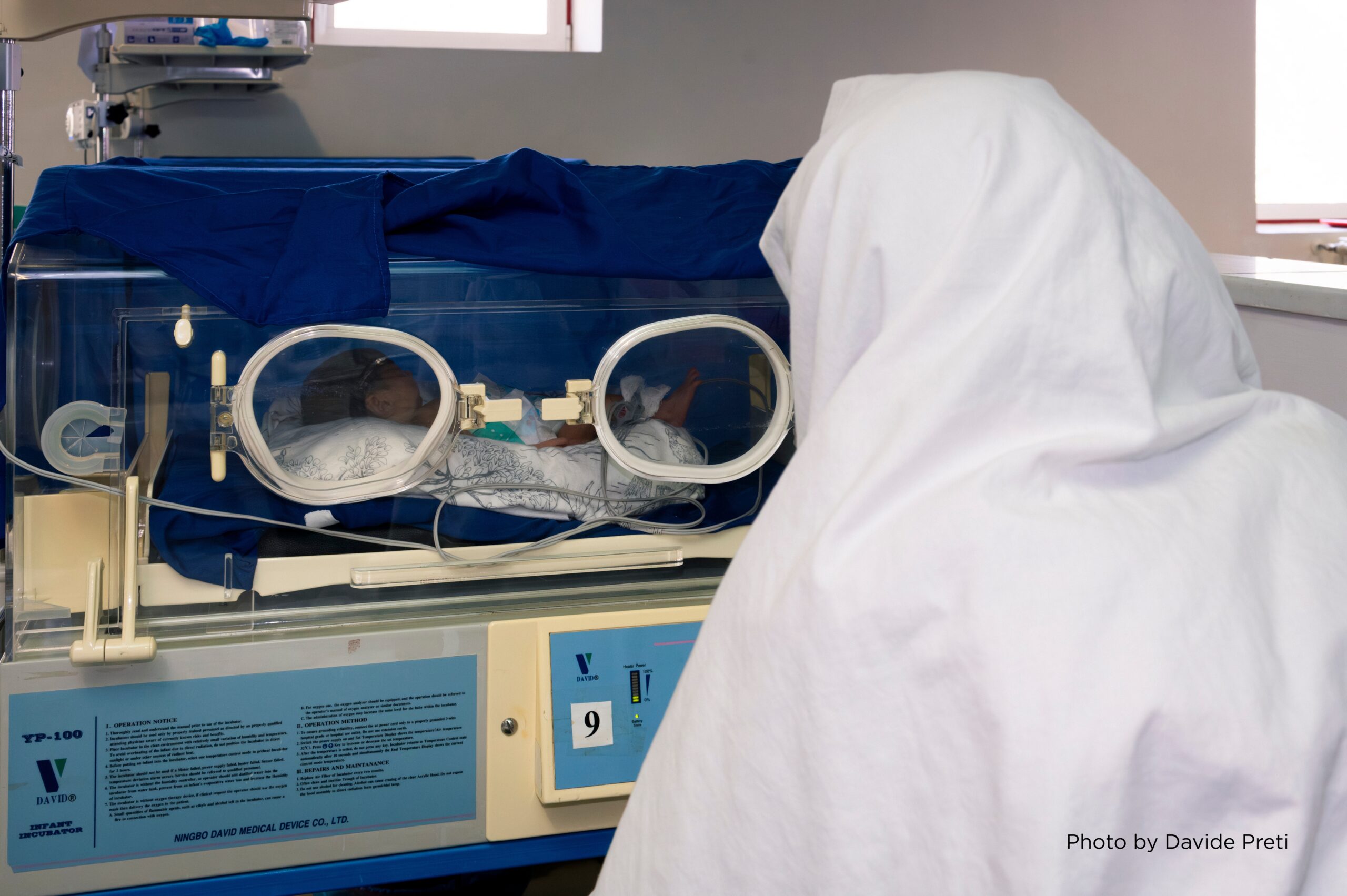
“We are seeing more and more women, including very young ones, arriving in critical condition. Many are malnourished: the babies are born premature and underweight, and return in the weeks following the birth because their families cannot afford to provide them with the necessary therapeutic food."
An Afghan gynaecologist EMERGENCY's Maternity Centre in Anabah*
New report ‘Safe Birth, Trusted Care’ to be released in September
Over the last five years, EMERGENCY has been conducting analyses on the everyday and systemic barriers preventing Afghans from accessing care, including barriers to maternal and newborn health services identified in the upcoming report, ‘Safe Birth, Trusted Care’.
Through in-depth focus groups, questionnaires and health facility data collected across multiple regions, the report provides a timely new analysis of the difficulties faced every day by women and their families during pregnancy and childbirth in Afghanistan, from the perspectives of Afghans themselves.
A decline in the number of women healthcare workers, particularly midwives and gynaecologists, due to bans on studying at university and specialising, impacts the quality and timeliness of care, and threatens the sustainability of the future health workforce.
For women and girls, access to women health professionals is essential; yet among the 18 primary healthcare facilities assessed in EMERGENCY’s upcoming report, only one had a woman doctor on staff.
EMERGENCY continues to train local healthcare workers in Afghanistan, including women.
What does the future hold for Afghanistan?
In August 2021, we made a deliberate choice to remain in Afghanistan. We stayed because people continue to need free, high-quality healthcare. And because they deserve to know they have not been forgotten.
For more than 20 years, our hospitals have borne witness throughout the country’s history without ever closing their doors.
We call on the international community to resume serious discussions about the crisis in Afghanistan; we call for ongoing support and investment in the healthcare sector. Afghans need to be heard, but above all they need concrete tools to achieve a genuine peace.
We cannot abandon Afghanistan.
EMERGENCY in Afghanistan:
→ The Lashkar-Gah Surgical Centre (Helmand)
→ The Anabah Surgical-Paediatric Centre, and the Anabah Maternity Centre (Panjshir Valley)
→ A network of more than 30 First Aid Posts and Primary Healthcare Centres
Since 1999, we have treated more than 8.5 million people in a country that today has a population of more than 48 million.
Latest updates
“It is right to be here”: Medical Coordinator Giorgio Monti on providing care in Gaza
Thursday, October 1, 2026
Ukraine | Our refurbishment of the Husarivka Clinic in Kharkiv, through the eyes of Liudmyla and Dmytro
Thursday, September 17, 2026